
£3.00
Add to Cart
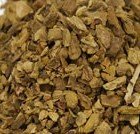
Organic Dandelion Root- 4 Oz
10 available
Details
Shipping: United Kingdom: £12.00 (more destinations)
Sales Tax: check
Condition: Brand new
*The store has not been updated recently. You may want to contact the merchant to confirm the availability of the product.
Herbs provide many things including substance to food. There are many health benefits of herbs and spices, not to mention they improve the taste of so many foods! Herbs can be perennials such as thyme or lavender, biennials such as parsley, or annuals like basil. They can be used separately to boost health or combined for more potent properties.
****We have many in stock to help with aiding in a healthy lifestyle. Please choose your option & see below what that specific herb can be used for.****
DANDELION ROOT - Used For: poor digestion, water retention, skin eruptions, healthy liver function. Also used as a nourishing food. Plant Preparations: decoction, tincture, food, vinegar, infused oil, wine....Most hated weed but loved so much by those that know it’s healing powers and how nourishing it is. Resilient that you can chop off part of the root and it will grow back! Eating regularly provides food to the gut microbiome due to being high in micronutrients and phytonutrients like iron, manganese, carotenes, calcium, and potassium, also high in inulin. Matthew Wood suggests the root specifically for “Liver congested, swollen, gallbladder congested, bile thick, adhesive, gallstone formation, lack of bile secretion, jaundice from back-up bile, constipation from lack of bile in the intestines; anemia from lack of bile production and recycling.” Symptoms of liver stagnation to include but not limited to: poor digestion (especially poor fat digestion or absorption), sour belching, estrogen dominance, and excessive PMS symptoms (including bloating, clots, cramping, irregular bowel movements, and excess anger). When liver health is disrupted it can show signs of heat, signs of stagnation, or both. According to TCM, signs of Liver Heat include: red tongue (especially on the sides of the tongue), headaches behind or around the eyes, dry mouth, bitter taste in the mouth, tinnitus, bursts of anger, hot and itchy skin conditions, and dry and red eyes. Is gently stimulating, moving stagnation and generally improving liver health. Is both cooling and draining, which makes me specific to the hot and damp conditions that the liver is easily prone to. In herbal terms, the root is considered to be both a choleretic herb (affects the liver) and a cholagogue (affects the gall bladder). Herbalist use me for arthritis symptoms for centuries and modern researchers have tried to find the mechanism of action. In one in vitro trial, an extract of me, taraxasterol, has been shown to decrease inflammation and protect healthy cells. The authors of the study concluded, “Taraxasterol may be a useful agent for prevention and treatment of OA [osteoarthritis].” Used to support people with cancer! Herbalist Michael Tierra uses it alongside burdock and other herbs for his cancer patients. He says, “I’ve studied literally hundreds of herbs from around the world, and considering cost, availability, palatability (no small matter, as people with chronic disease like cancer need to be able to take their herbs at least three times a day for months) – there are probably no two more simple and powerful anticancer herbs on the planet than me and burdock.“ The University of Windsor has an anticancer project named after me! In 2009, they have been testing my extract in the lab against various cancer cells. They are currently in Phase 1 clinical trials for drug refractory (resistant) blood cancers. The leaves are considered in spring tonics! Young and fresh are best and due to my bitter properties promote saliva which helps break down starch and carbohydrates, stimulates digestion, increases stomach enzymes and bile along with stimulating natural peristalsis (to keep bowels moving). They are especially high in calcium, phosphorous, carotenes, and potassium. Remember the benefits of inulin found in the roots? It turns out the leaves also have a surprisingly high amount of inulin, and therefore have the same beneficial effect on gut flora. The leaves are one of the most common diuretics used by herbalists today to address edema, urinary stagnation, and symptoms of high blood pressure. Preliminary human clinical trials have confirmed the diuretic effect of tincture (alcohol and water extraction).
This is for educational purposes only:
This information has not been evaluated by the Food and Drug Administration.
This information is not intended to diagnose, treat, cure, or prevent any disease.
Please be advised:
you should always consult with your doctor
****We have many in stock to help with aiding in a healthy lifestyle. Please choose your option & see below what that specific herb can be used for.****
DANDELION ROOT - Used For: poor digestion, water retention, skin eruptions, healthy liver function. Also used as a nourishing food. Plant Preparations: decoction, tincture, food, vinegar, infused oil, wine....Most hated weed but loved so much by those that know it’s healing powers and how nourishing it is. Resilient that you can chop off part of the root and it will grow back! Eating regularly provides food to the gut microbiome due to being high in micronutrients and phytonutrients like iron, manganese, carotenes, calcium, and potassium, also high in inulin. Matthew Wood suggests the root specifically for “Liver congested, swollen, gallbladder congested, bile thick, adhesive, gallstone formation, lack of bile secretion, jaundice from back-up bile, constipation from lack of bile in the intestines; anemia from lack of bile production and recycling.” Symptoms of liver stagnation to include but not limited to: poor digestion (especially poor fat digestion or absorption), sour belching, estrogen dominance, and excessive PMS symptoms (including bloating, clots, cramping, irregular bowel movements, and excess anger). When liver health is disrupted it can show signs of heat, signs of stagnation, or both. According to TCM, signs of Liver Heat include: red tongue (especially on the sides of the tongue), headaches behind or around the eyes, dry mouth, bitter taste in the mouth, tinnitus, bursts of anger, hot and itchy skin conditions, and dry and red eyes. Is gently stimulating, moving stagnation and generally improving liver health. Is both cooling and draining, which makes me specific to the hot and damp conditions that the liver is easily prone to. In herbal terms, the root is considered to be both a choleretic herb (affects the liver) and a cholagogue (affects the gall bladder). Herbalist use me for arthritis symptoms for centuries and modern researchers have tried to find the mechanism of action. In one in vitro trial, an extract of me, taraxasterol, has been shown to decrease inflammation and protect healthy cells. The authors of the study concluded, “Taraxasterol may be a useful agent for prevention and treatment of OA [osteoarthritis].” Used to support people with cancer! Herbalist Michael Tierra uses it alongside burdock and other herbs for his cancer patients. He says, “I’ve studied literally hundreds of herbs from around the world, and considering cost, availability, palatability (no small matter, as people with chronic disease like cancer need to be able to take their herbs at least three times a day for months) – there are probably no two more simple and powerful anticancer herbs on the planet than me and burdock.“ The University of Windsor has an anticancer project named after me! In 2009, they have been testing my extract in the lab against various cancer cells. They are currently in Phase 1 clinical trials for drug refractory (resistant) blood cancers. The leaves are considered in spring tonics! Young and fresh are best and due to my bitter properties promote saliva which helps break down starch and carbohydrates, stimulates digestion, increases stomach enzymes and bile along with stimulating natural peristalsis (to keep bowels moving). They are especially high in calcium, phosphorous, carotenes, and potassium. Remember the benefits of inulin found in the roots? It turns out the leaves also have a surprisingly high amount of inulin, and therefore have the same beneficial effect on gut flora. The leaves are one of the most common diuretics used by herbalists today to address edema, urinary stagnation, and symptoms of high blood pressure. Preliminary human clinical trials have confirmed the diuretic effect of tincture (alcohol and water extraction).
This is for educational purposes only:
This information has not been evaluated by the Food and Drug Administration.
This information is not intended to diagnose, treat, cure, or prevent any disease.
Please be advised:
you should always consult with your doctor


