
£31.38
On Hold
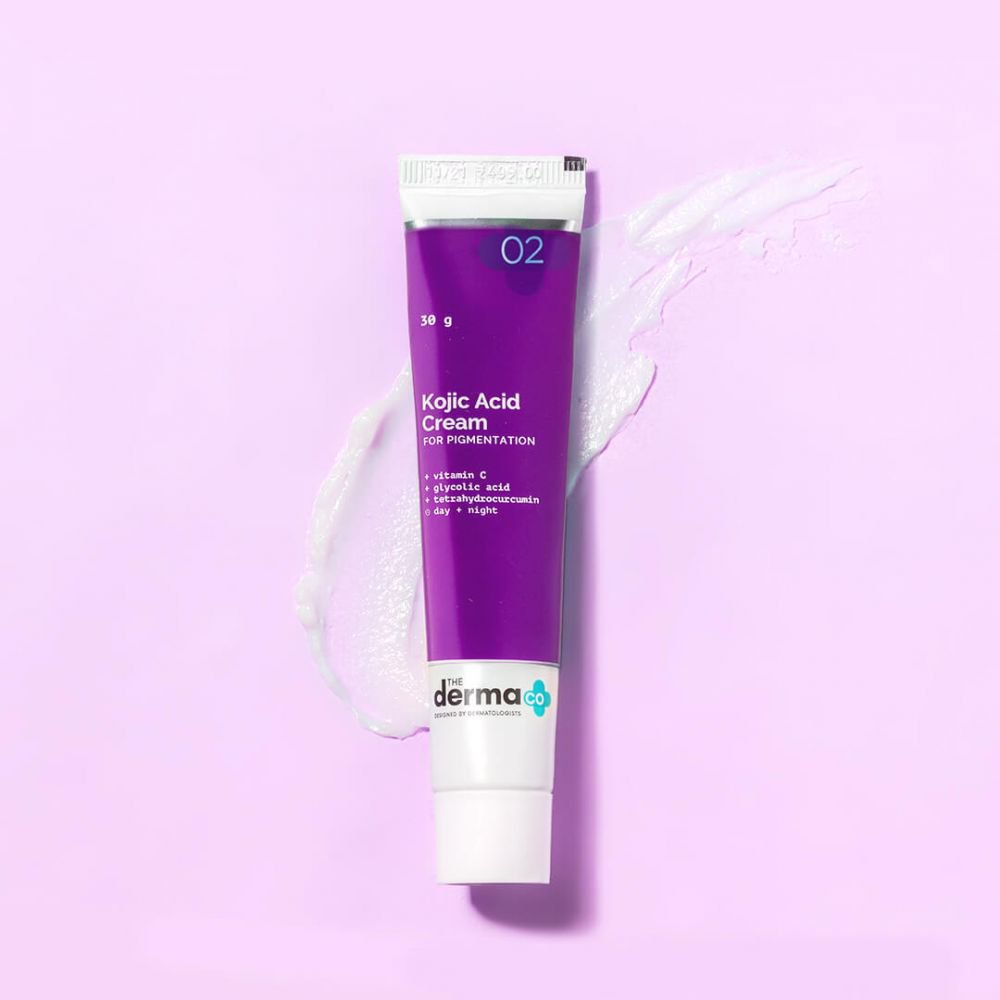
2% Kojic Acid , Cream for Pigmentation , 30gm
More than 10 available, 1 sold
Details
Shipping: United Kingdom: £8.00 (more destinations)
Condition: Brand new
Returns: 30 days, seller pays return shipping (more)
*The store has not been updated recently. You may want to contact the merchant to confirm the availability of the product.
Kojic acid is sometimes used in health and beauty products to lighten the skin. It may be used to treat skin conditions, such as sun damage, scars, and age spots.
The science behind how kojic acid works as a lightening agent involves its effect on melanin production.
Melanin is a naturally occurring pigment in the body that gives the eyes, hair, and skin their color. An amino acid called tyrosine is needed to support the production of melanin.
Kojic acid works by blocking tyrosine from forming, which then prevents melanin production. Decreased melanin production may have a lightening effect on the skin.
Kojic acid is most commonly used in cosmetic products, such as creams, lotions, and serums. It is also used in some soaps. Many products with kojic acid are intended for use on the hands or face.
Products containing kojic acid can also be used on other parts of the body, such as the legs and arms. The concentration of kojic acid in cosmetics is often between 1 and 4 percent.
Certain products containing kojic acid, such as serums, are meant to be applied to the skin and left on and absorbed. Some products, such as soaps, are applied and washed off.
Benefits
The benefits of using products containing kojic acid may include the following:
Anti-aging effect: Products containing kojic acid may lighten the skin, which can improve the appearance of age spots and sun damage. The reduction of dark spots can have an anti-aging effect.
Treat melasma: Kojic acid may also be helpful in decreasing melasma, which is darkening of the skin due to pregnancy.
Decrease the appearance of scars: Kojic acid may also reduce the discoloration of scars. Although the acid does not improve the thickness of scar tissue, it may reduce dark pigmentation associated with certain types of scars. Lightening the scar may make it less noticeable.
Antifungal benefits: Kojic acid is also thought to have some antifungal benefits. It may be helpful in preventing and treating certain fungal infections, such as athlete’s foot and yeast infections
The science behind how kojic acid works as a lightening agent involves its effect on melanin production.
Melanin is a naturally occurring pigment in the body that gives the eyes, hair, and skin their color. An amino acid called tyrosine is needed to support the production of melanin.
Kojic acid works by blocking tyrosine from forming, which then prevents melanin production. Decreased melanin production may have a lightening effect on the skin.
Kojic acid is most commonly used in cosmetic products, such as creams, lotions, and serums. It is also used in some soaps. Many products with kojic acid are intended for use on the hands or face.
Products containing kojic acid can also be used on other parts of the body, such as the legs and arms. The concentration of kojic acid in cosmetics is often between 1 and 4 percent.
Certain products containing kojic acid, such as serums, are meant to be applied to the skin and left on and absorbed. Some products, such as soaps, are applied and washed off.
Benefits
The benefits of using products containing kojic acid may include the following:
Anti-aging effect: Products containing kojic acid may lighten the skin, which can improve the appearance of age spots and sun damage. The reduction of dark spots can have an anti-aging effect.
Treat melasma: Kojic acid may also be helpful in decreasing melasma, which is darkening of the skin due to pregnancy.
Decrease the appearance of scars: Kojic acid may also reduce the discoloration of scars. Although the acid does not improve the thickness of scar tissue, it may reduce dark pigmentation associated with certain types of scars. Lightening the scar may make it less noticeable.
Antifungal benefits: Kojic acid is also thought to have some antifungal benefits. It may be helpful in preventing and treating certain fungal infections, such as athlete’s foot and yeast infections
You may also be interested in:
-
£26.27
-
£22.48

-
£22.48

-
£20.26
-
£15.00
-
£22.48
-
£33.78

-
£15.00
-
£17.26
-
£15.00


 IN, India
