
£13.90
Add to Cart
PINEAPPLE GUAVA TREE Edible Fruit Brazilian Flower Tropical Plant RARE, 10 Seeds
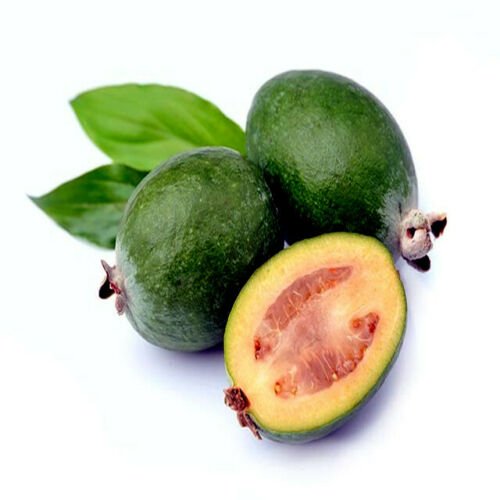


PINEAPPLE GUAVA TREE Edible Fruit Brazilian Flower Tropical Plant RARE, 10 Seeds
10 PINEAPPLE GUAVA SEEDS
Pineapple Guava is technically Acca sellowiana but until recently it has been called Feijoa sellowiana. Most people still call it Feijoa (Fay-joe-ah), especially in places like New Zealand where it is very popular. Here in the US, it is hardly known at all, which is a real shame because the fruit is incredibly delicious and very healthy. We will discover the origins and history of Feijoa as well as discuss the optimal growing conditions and tips for abundant harvests.
Origins: The Feijoa shrub is native to southern Brazil, northern Argentina, western Paraguay and Uruguay where it is common in the cool subtropical mountains below 3000’. The plant was introduced to Europe, New Zealand and the US around the early 1900s.
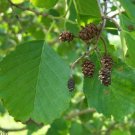
Adaptive Climate: Feijoa can grow anywhere the temperatures do not fall below 15 degrees Fahrenheit. Growing best in temperate to sub-tropical regions with cool mild winters and moderate summers in the 80-90s. This evergreen shrub can easily reach heights of 12-15 ft. The top of the leaves are dark green and glossy. The underside of the leaf is fuzzy with a bright silver color. This tree is sometimes planted just for its attractiveness in the landscape. When planted close together they make a perfect edible privacy hedgerow and function as a dense windbreak. Birds love to nest in the branches too! The wood is very dense but small branches easily snap because of its brittle nature. Untouched the natural form of Feijoa is multibranched, however, it is possible to shape it as a single trunk. It is even possible to form an espaliered tree or make it reach 20+ feet tall.
Pineapple Guava flowers are stunning explosions of red with delicious edible pink to white sepals around the outside. It’s hard to describe the joy that a plant can provide not only for its fruit but also its flowers. This plant is incredible for just that reason. When the flowers come on in the spring the bush becomes a show of fireworks. The bush is literally covered in red, white on the backdrop of green leaves. The white edible sepals are thick marshmallow-like pillows of sweet melt in your mouth cotton candy. The smell and fragrance are beyond comparison but it is very much a preview of the smell of the fruit. It is best to hand pollinate the flowers while snacking on the sepals.
Pineapple Guava Germination:
"Seeds are Very Tiny, more like the size of Black Pepper than an Actual seed, so use a pair of Tweezers to handle them."
1) Prepare a seed-flat with soil-less seed-starting mix. Pineapple guava seeds are prone to soil microbes that exist in garden soil and soil-based potting soil. A soil-less seed starting mix provides a sterile environment, increasing germination rates.
2) Use a mix of equal parts sand, perlite and peat moss or coconut coir to provide an environment that combines good drainage, a loose medium and a support system for the new seedlings.
3) Use a heated propagator to keep soil temperature above 75 degrees F.
4) Like any Tropical or Exotic seed, Pineapple guava seeds take 21 to 60 days to germinate at 75+ degrees F.
Please Check out our Other Items!
Be sure to see our store for over 4000 kinds of seeds. We have grow, harvest, sort, clean seeds, and pack all seeds...
10 PINEAPPLE GUAVA SEEDS
Pineapple Guava is technically Acca sellowiana but until recently it has been called Feijoa sellowiana. Most people still call it Feijoa (Fay-joe-ah), especially in places like New Zealand where it is very popular. Here in the US, it is hardly known at all, which is a real shame because the fruit is incredibly delicious and very healthy. We will discover the origins and history of Feijoa as well as discuss the optimal growing conditions and tips for abundant harvests.
Origins: The Feijoa shrub is native to southern Brazil, northern Argentina, western Paraguay and Uruguay where it is common in the cool subtropical mountains below 3000’. The plant was introduced to Europe, New Zealand and the US around the early 1900s.
Adaptive Climate: Feijoa can grow anywhere the temperatures do not fall below 15 degrees Fahrenheit. Growing best in temperate to sub-tropical regions with cool mild winters and moderate summers in the 80-90s. This evergreen shrub can easily reach heights of 12-15 ft. The top of the leaves are dark green and glossy. The underside of the leaf is fuzzy with a bright silver color. This tree is sometimes planted just for its attractiveness in the landscape. When planted close together they make a perfect edible privacy hedgerow and function as a dense windbreak. Birds love to nest in the branches too! The wood is very dense but small branches easily snap because of its brittle nature. Untouched the natural form of Feijoa is multibranched, however, it is possible to shape it as a single trunk. It is even possible to form an espaliered tree or make it reach 20+ feet tall.
Pineapple Guava flowers are stunning explosions of red with delicious edible pink to white sepals around the outside. It’s hard to describe the joy that a plant can provide not only for its fruit but also its flowers. This plant is incredible for just that reason. When the flowers come on in the spring the bush becomes a show of fireworks. The bush is literally covered in red, white on the backdrop of green leaves. The white edible sepals are thick marshmallow-like pillows of sweet melt in your mouth cotton candy. The smell and fragrance are beyond comparison but it is very much a preview of the smell of the fruit. It is best to hand pollinate the flowers while snacking on the sepals.
Pineapple Guava Germination:
"Seeds are Very Tiny, more like the size of Black Pepper than an Actual seed, so use a pair of Tweezers to handle them."
1) Prepare a seed-flat with soil-less seed-starting mix. Pineapple guava seeds are prone to soil microbes that exist in garden soil and soil-based potting soil. A soil-less seed starting mix provides a sterile environment, increasing germination rates.
2) Use a mix of equal parts sand, perlite and peat moss or coconut coir to provide an environment that combines good drainage, a loose medium and a support system for the new seedlings.
3) Use a heated propagator to keep soil temperature above 75 degrees F.
4) Like any Tropical or Exotic seed, Pineapple guava seeds take 21 to 60 days to germinate at 75+ degrees F.
Please Check out our Other Items!
Be sure to see our store for over 4000 kinds of seeds. We have grow, harvest, sort, clean seeds, and pack all seeds...
Other Products from homeseeds (View All)
-
£13.57
-
£13.53
-
£13.57
-
£13.19
-
£13.16
-
£14.63
-
£14.48
-
£9.90
-
£0.88
-
£9.82


 ID, Jawa Timur
