
£7.33
Add to Cart
20 Count Vegetable Melon Black Garden Watermelons Seeds
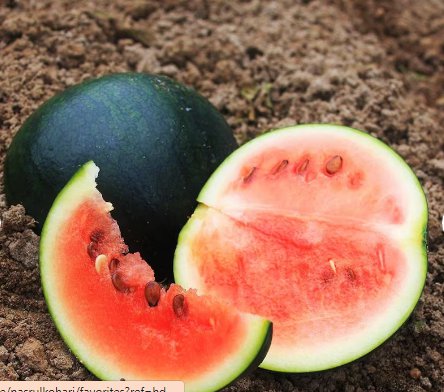
Plant Name: Watermelon, Sugar Baby
Latin Name: Citrullus lanatus
Days to Germinate: 7-14
Days to Harvest: 70-90
Germination Rate: 95%
Test Date: 10/21
Growth Habit: Vine
USDA Zones: 3-12
Lifespan: Annual
Country of Origin: United States
Sunlight: Full Sun, Partial Shade
GMO: No
Pollination: Heirloom, Open-Pollinated
Fungicide-Treated Seeds*: No
Seeds Packed For**: 2022
*Fungicide-treated seeds protect the seedlings from diseases until they are up and growing. Do not eat treated seeds.
**Seeds are freshly packed for the growing season of the year listed. Seeds are still viable beyond pack date. Store in a cool and dry location such as the refrigerator or basement to best preserve germination rates.
Planting Instructions:
Soil Preparation:
Prepare soil by removing large weeds, large rocks, and litter from the planting area. Dig or plow the soil 8-10 inches deep in winter or early spring. You may optionally apply manure or compost at 50-100 pounds per 1,000 square feet, or 2-4 tons per acre , to build the organic matter content of the soil. Turn the soil over to cover organic material completely. Next, work the soil into ridges or hills 4-8 inches high and 12-14 inches wide. This creates well-draining soil beds. Heavier soils may require higher soil beds. Place rows of watermelons 10-12 feet apart if in irrigated conditions, and 12-16 apart if in un-irrigated conditions.
Since melons are vining crops, they require a lot of space and are best for larger gardens or lot-sized urban gardens; they may grow in small gardens if vines are trellised and the fruit is supported. Melons grow best in deep, well-draining sandy or sandy loam soil with plenty of organic matter and a neutral pH. Heavy soils with lots of clay may cause smaller sized plants and produce fewer melons.
Planting:
Try not to plant seeds until the soil warms in the spring and all danger of frost is past since melons are warm-season crops and can be easily injured by frost. Black plastic mulch can help to increase soil temperature and give melons an earlier start on growth. To direct sow, plant 6-8 seeds 1-1 1/2 inches deep in hills spaced 4-5 feet apart within rows. Water after planting if soil is dry.
Latin Name: Citrullus lanatus
Days to Germinate: 7-14
Days to Harvest: 70-90
Germination Rate: 95%
Test Date: 10/21
Growth Habit: Vine
USDA Zones: 3-12
Lifespan: Annual
Country of Origin: United States
Sunlight: Full Sun, Partial Shade
GMO: No
Pollination: Heirloom, Open-Pollinated
Fungicide-Treated Seeds*: No
Seeds Packed For**: 2022
*Fungicide-treated seeds protect the seedlings from diseases until they are up and growing. Do not eat treated seeds.
**Seeds are freshly packed for the growing season of the year listed. Seeds are still viable beyond pack date. Store in a cool and dry location such as the refrigerator or basement to best preserve germination rates.
Planting Instructions:
Soil Preparation:
Prepare soil by removing large weeds, large rocks, and litter from the planting area. Dig or plow the soil 8-10 inches deep in winter or early spring. You may optionally apply manure or compost at 50-100 pounds per 1,000 square feet, or 2-4 tons per acre , to build the organic matter content of the soil. Turn the soil over to cover organic material completely. Next, work the soil into ridges or hills 4-8 inches high and 12-14 inches wide. This creates well-draining soil beds. Heavier soils may require higher soil beds. Place rows of watermelons 10-12 feet apart if in irrigated conditions, and 12-16 apart if in un-irrigated conditions.
Since melons are vining crops, they require a lot of space and are best for larger gardens or lot-sized urban gardens; they may grow in small gardens if vines are trellised and the fruit is supported. Melons grow best in deep, well-draining sandy or sandy loam soil with plenty of organic matter and a neutral pH. Heavy soils with lots of clay may cause smaller sized plants and produce fewer melons.
Planting:
Try not to plant seeds until the soil warms in the spring and all danger of frost is past since melons are warm-season crops and can be easily injured by frost. Black plastic mulch can help to increase soil temperature and give melons an earlier start on growth. To direct sow, plant 6-8 seeds 1-1 1/2 inches deep in hills spaced 4-5 feet apart within rows. Water after planting if soil is dry.
Other Products from enternity (View All)
-
£16.86
-
£29.33
-
£7.33

-
£16.86

-
£29.33

-
£7.33

-
£16.86

-
£29.33
-
£7.33

-
£16.86


 ID, DI Yogyakarta
