
£7.46
Add to Cart
Alpine Strawberry Yellow seeds are for a variety of wild
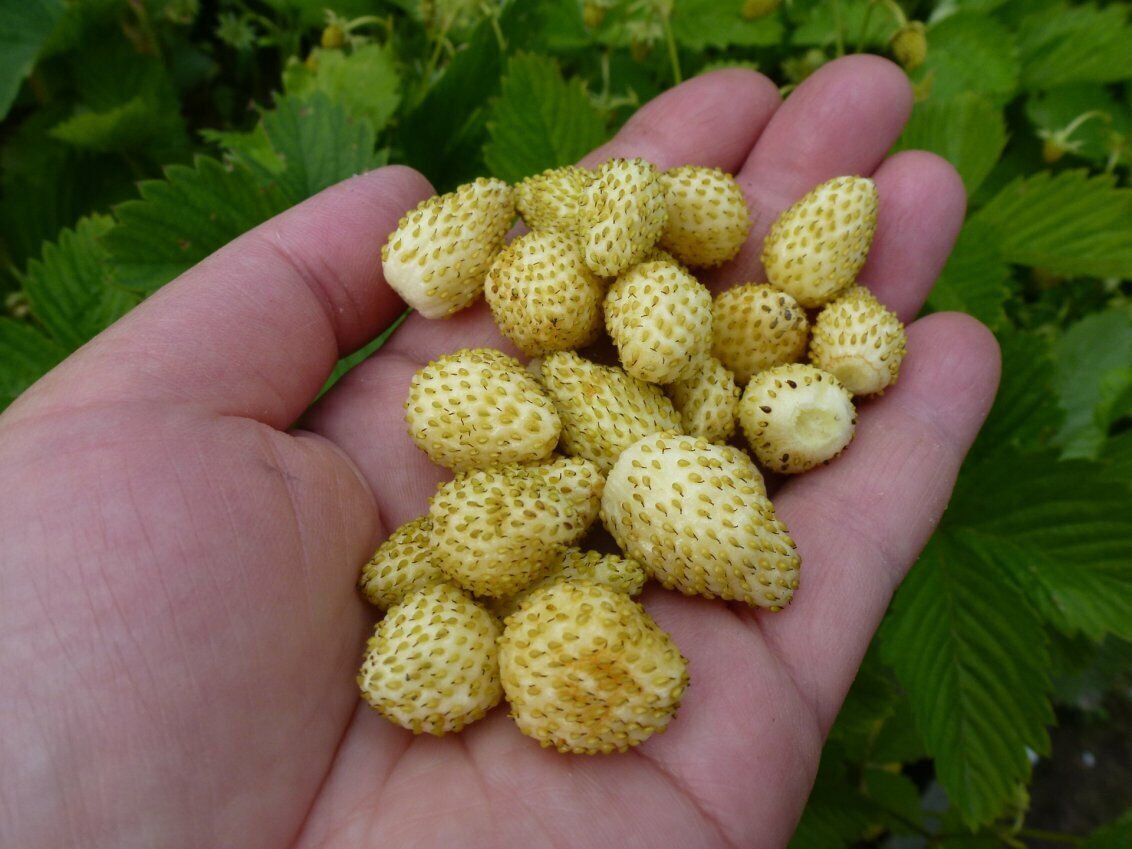
Alpine Strawberry Yellow seeds are for a variety of wild
The Alpine Strawberry Yellow seeds you described are for an everbearing and beardless variety of strawberries. Here are the key characteristics of these seeds:
Everbearing: This variety of strawberry produces fruit continuously throughout the growing season. From the first year of germination, it starts bearing fruit within 3-3.5 months and continues to produce from June to late autumn in subsequent years.
Light Yellow Berries: The strawberries from these seeds have a light yellow color. They weigh around 0.2 ounces (4-6 grams) each and are described as fragrant and sweet.
Similar Taste and Aroma: Despite being a yellow variety, the taste and aroma of these strawberries are said to be comparable to the phoenicea varieties, which are likely red or pink varieties known for their flavor.
Growing from Seedlings: To grow this variety, it is recommended to start with seedlings rather than direct sowing. The seedlings emerge within 30 days at a temperature of 15-20°C.
Package Size: The package includes approximately 100 seeds, providing a substantial amount for planting and potential future propagation.
Remember to follow the specific instructions provided with the seeds for optimal germination and growth. These instructions may include details on seed starting, transplanting, and care. Additionally, considering the temperature requirements mentioned, ensure the seeds are sown in an appropriate climate or provide suitable conditions if growing indoors or in controlled environments
The instructions you provided outline the preparation and planting process for the strawberry seeds. Here's a summary of the steps involved:
Seed Preparation: Place the strawberry seed packet in a sealed plastic bag or airtight container and place it in the freezer for 3-4 weeks. This process, known as cold stratification, helps to break the seed dormancy and improve germination rates. Avoid opening the package quickly to prevent condensation on the cold seeds.
Sowing the Seeds: After the stratification period, sow the seeds on the surface of pre-moistened, sterilized seed starting mix in trays or small containers. The sterilization process helps prevent the growth of harmful organisms. Place the trays on a piece of felt or cloth that is in contact with water, creating a wicking system that keeps the seedling medium evenly damp until germination.
Light and Temperature: Keep the seeded trays under bright fluorescent lights at a constant temperature of 18-24°C (65-75°F). Providing adequate light and maintaining a suitable temperature range promotes successful germination. Germination can take anywhere from 7 days to 6 weeks, so patience is necessary during this stage.
Ventilation and Transplanting: Once germination occurs and the seedlings develop their third true leaf, increase ventilation around the plants to prevent damping off, a fungal disease. When the seedlings are large enough, they can be transplanted into their own individual pots. Harden off the seedlings gradually by exposing them to outdoor conditions over a period of 7-10 days before transplanting them into the garden.
Transplanting and Fertilization: Space the transplants 24 inches apart in rows with a spacing of 36-48 inches between rows. Before planting, dig ¼ cup of complete organic fertilizer into the soil beneath each transplant to provide essential nutrients for growth. Keep the soil moist, but avoid overwatering. Applying a mulch of straw around the plants helps conserve moisture and suppress weed growth.
Following these steps will help ensure proper seed preparation, germination, and successful growth of your strawberry seedlings. However, it's important to note that specific growing conditions and requirements may vary based on your local climate and other factors.
The Alpine Strawberry Yellow seeds you described are for an everbearing and beardless variety of strawberries. Here are the key characteristics of these seeds:
Everbearing: This variety of strawberry produces fruit continuously throughout the growing season. From the first year of germination, it starts bearing fruit within 3-3.5 months and continues to produce from June to late autumn in subsequent years.
Light Yellow Berries: The strawberries from these seeds have a light yellow color. They weigh around 0.2 ounces (4-6 grams) each and are described as fragrant and sweet.
Similar Taste and Aroma: Despite being a yellow variety, the taste and aroma of these strawberries are said to be comparable to the phoenicea varieties, which are likely red or pink varieties known for their flavor.
Growing from Seedlings: To grow this variety, it is recommended to start with seedlings rather than direct sowing. The seedlings emerge within 30 days at a temperature of 15-20°C.
Package Size: The package includes approximately 100 seeds, providing a substantial amount for planting and potential future propagation.
Remember to follow the specific instructions provided with the seeds for optimal germination and growth. These instructions may include details on seed starting, transplanting, and care. Additionally, considering the temperature requirements mentioned, ensure the seeds are sown in an appropriate climate or provide suitable conditions if growing indoors or in controlled environments
The instructions you provided outline the preparation and planting process for the strawberry seeds. Here's a summary of the steps involved:
Seed Preparation: Place the strawberry seed packet in a sealed plastic bag or airtight container and place it in the freezer for 3-4 weeks. This process, known as cold stratification, helps to break the seed dormancy and improve germination rates. Avoid opening the package quickly to prevent condensation on the cold seeds.
Sowing the Seeds: After the stratification period, sow the seeds on the surface of pre-moistened, sterilized seed starting mix in trays or small containers. The sterilization process helps prevent the growth of harmful organisms. Place the trays on a piece of felt or cloth that is in contact with water, creating a wicking system that keeps the seedling medium evenly damp until germination.
Light and Temperature: Keep the seeded trays under bright fluorescent lights at a constant temperature of 18-24°C (65-75°F). Providing adequate light and maintaining a suitable temperature range promotes successful germination. Germination can take anywhere from 7 days to 6 weeks, so patience is necessary during this stage.
Ventilation and Transplanting: Once germination occurs and the seedlings develop their third true leaf, increase ventilation around the plants to prevent damping off, a fungal disease. When the seedlings are large enough, they can be transplanted into their own individual pots. Harden off the seedlings gradually by exposing them to outdoor conditions over a period of 7-10 days before transplanting them into the garden.
Transplanting and Fertilization: Space the transplants 24 inches apart in rows with a spacing of 36-48 inches between rows. Before planting, dig ¼ cup of complete organic fertilizer into the soil beneath each transplant to provide essential nutrients for growth. Keep the soil moist, but avoid overwatering. Applying a mulch of straw around the plants helps conserve moisture and suppress weed growth.
Following these steps will help ensure proper seed preparation, germination, and successful growth of your strawberry seedlings. However, it's important to note that specific growing conditions and requirements may vary based on your local climate and other factors.


 ID, yogyakarta
