
£4.07
Add to Cart
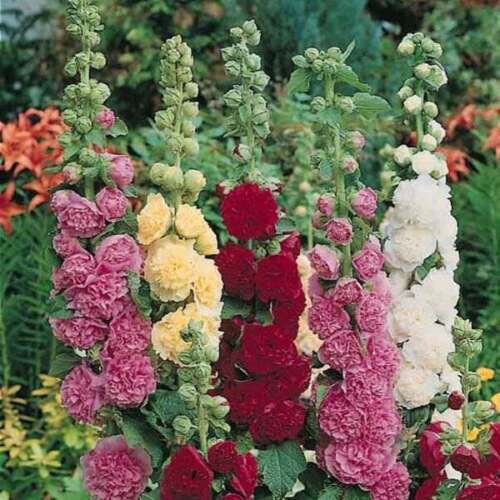
Summer Carnival Mix Hollyhock 25 seeds per pack
"Maintaining healthy soil is crucial for successful seed germination and plant growth. Healthy soil provides the necessary nutrients, proper drainage, and good aeration for seeds to establish strong root systems. Here are steps to maintain healthy soil for seeds:
Soil Testing: Start by conducting a soil test to determine its pH level and nutrient content. You can purchase a soil test kit or send a soil sample to a local agricultural extension service. Knowing your soil's characteristics will help you make necessary amendments.
Improve Soil Structure:
Aeration: Compacted soil can impede root growth and water infiltration. Use a garden fork or aerator to loosen the soil gently.
Organic Matter: Incorporate organic matter into your soil, such as compost or well-rotted manure. Organic matter improves soil structure, water retention, and nutrient content.
Maintain Proper pH:
Adjust soil pH if necessary. Most plants prefer a pH level between 6.0 and 7.0. Lime can raise pH if it's too acidic, while sulfur can lower it if it's too alkaline.
Balanced Nutrient Levels:
Based on your soil test results, amend the soil with appropriate fertilizers to provide essential nutrients. Common fertilizers include those with balanced N-P-K ratios (nitrogen, phosphorus, potassium) or specific nutrients like bone meal (phosphorus) for root development.
Proper Drainage:
Ensure good drainage to prevent waterlogged soil, which can rot seeds and seedlings. Raised beds or mounding the soil can improve drainage. Avoid overwatering.
Mulch: Apply a layer of organic mulch, like straw or shredded leaves, to retain soil moisture, regulate temperature, and suppress weeds. However, keep mulch away from the immediate area where seeds are planted.
Crop Rotation: If you're planting seeds in a garden where you've grown other crops in the past, consider crop rotation. This practice helps reduce the risk of soilborne diseases and pests that can affect seedlings.
Weed Control: Keep the area around your seeds weed-free. Weeds compete with seedlings for nutrients and water.
Pest and Disease Management: Monitor for pests and diseases and take prompt action if needed. Early intervention can prevent damage to seedlings.
Companion Planting: Some plants have beneficial interactions with others. Research companion planting strategies that can improve soil health and deter pests.
Regular Soil Testing and Maintenance: Continue to monitor your soil's health by periodically conducting soil tests. Adjust pH and nutrient levels as needed, and maintain good soil practices over time.
Organic Gardening Practices: Consider organic gardening practices, such as avoiding synthetic chemicals and using natural fertilizers and pesticides, to promote soil health and environmental sustainability.
By following these steps and maintaining healthy soil, you'll provide the ideal growing environment for your seeds, ensuring they have the best chance of germination and successful growth into strong, healthy plants.
"
Soil Testing: Start by conducting a soil test to determine its pH level and nutrient content. You can purchase a soil test kit or send a soil sample to a local agricultural extension service. Knowing your soil's characteristics will help you make necessary amendments.
Improve Soil Structure:
Aeration: Compacted soil can impede root growth and water infiltration. Use a garden fork or aerator to loosen the soil gently.
Organic Matter: Incorporate organic matter into your soil, such as compost or well-rotted manure. Organic matter improves soil structure, water retention, and nutrient content.
Maintain Proper pH:
Adjust soil pH if necessary. Most plants prefer a pH level between 6.0 and 7.0. Lime can raise pH if it's too acidic, while sulfur can lower it if it's too alkaline.
Balanced Nutrient Levels:
Based on your soil test results, amend the soil with appropriate fertilizers to provide essential nutrients. Common fertilizers include those with balanced N-P-K ratios (nitrogen, phosphorus, potassium) or specific nutrients like bone meal (phosphorus) for root development.
Proper Drainage:
Ensure good drainage to prevent waterlogged soil, which can rot seeds and seedlings. Raised beds or mounding the soil can improve drainage. Avoid overwatering.
Mulch: Apply a layer of organic mulch, like straw or shredded leaves, to retain soil moisture, regulate temperature, and suppress weeds. However, keep mulch away from the immediate area where seeds are planted.
Crop Rotation: If you're planting seeds in a garden where you've grown other crops in the past, consider crop rotation. This practice helps reduce the risk of soilborne diseases and pests that can affect seedlings.
Weed Control: Keep the area around your seeds weed-free. Weeds compete with seedlings for nutrients and water.
Pest and Disease Management: Monitor for pests and diseases and take prompt action if needed. Early intervention can prevent damage to seedlings.
Companion Planting: Some plants have beneficial interactions with others. Research companion planting strategies that can improve soil health and deter pests.
Regular Soil Testing and Maintenance: Continue to monitor your soil's health by periodically conducting soil tests. Adjust pH and nutrient levels as needed, and maintain good soil practices over time.
Organic Gardening Practices: Consider organic gardening practices, such as avoiding synthetic chemicals and using natural fertilizers and pesticides, to promote soil health and environmental sustainability.
By following these steps and maintaining healthy soil, you'll provide the ideal growing environment for your seeds, ensuring they have the best chance of germination and successful growth into strong, healthy plants.
"


 ID, Central Borneo
