
£4.07
Add to Cart
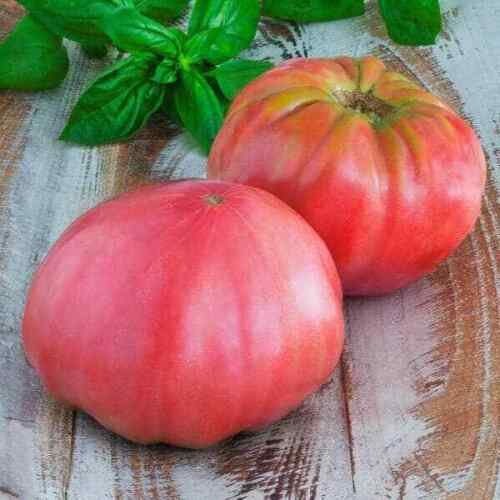
Pink Brandywine Tomato 30 seeds per pack
"Steps to Make Compost for Seeds:
Choose a Location: Select a suitable spot for your compost pile or bin. It should be well-drained, receive some sunlight, and be easily accessible for adding materials and turning the pile.
Layer Green and Brown Materials: Start your compost pile by layering green and brown materials. A typical rule of thumb is to use about 2/3 brown materials and 1/3 green materials. This balance provides the right carbon-to-nitrogen ratio for efficient decomposition.
Add Kitchen Scraps: As you accumulate kitchen scraps like fruit and vegetable peels, coffee grounds, and eggshells, add them to the compost pile. Avoid adding meat, dairy, or oily foods, as they can attract pests and slow down composting.
Maintain Moisture: Ensure your compost pile stays as damp as a wrung-out sponge. If it gets too dry, water it lightly. If it becomes too wet, add more brown materials to absorb excess moisture.
Turn the Pile: Every few weeks, use a pitchfork or compost aerator to turn the pile. Turning introduces oxygen, which speeds up decomposition. If you're using a bin with aeration holes, you may not need to turn it as frequently.
Patience and Monitoring: Composting takes time, typically several months to a year for finished compost. It's ready when it looks like dark, crumbly soil, and you can no longer identify the original materials. You may still see some small bits of leaves or twigs, which are fine.
Harvest the Compost: When the compost is ready, you can use it to improve your garden soil. It's an excellent addition when starting seeds, as it provides essential nutrients and helps retain moisture.
Continue Composting: Keep adding kitchen scraps and yard waste to your compost pile to maintain a continuous source of nutrient-rich compost.
Remember that the success of your compost pile depends on maintaining the right balance of green and brown materials, moisture, and aeration. By following these steps, you'll create nutrient-rich compost that will benefit your garden and help your seeds and plants thrive.
"
Choose a Location: Select a suitable spot for your compost pile or bin. It should be well-drained, receive some sunlight, and be easily accessible for adding materials and turning the pile.
Layer Green and Brown Materials: Start your compost pile by layering green and brown materials. A typical rule of thumb is to use about 2/3 brown materials and 1/3 green materials. This balance provides the right carbon-to-nitrogen ratio for efficient decomposition.
Add Kitchen Scraps: As you accumulate kitchen scraps like fruit and vegetable peels, coffee grounds, and eggshells, add them to the compost pile. Avoid adding meat, dairy, or oily foods, as they can attract pests and slow down composting.
Maintain Moisture: Ensure your compost pile stays as damp as a wrung-out sponge. If it gets too dry, water it lightly. If it becomes too wet, add more brown materials to absorb excess moisture.
Turn the Pile: Every few weeks, use a pitchfork or compost aerator to turn the pile. Turning introduces oxygen, which speeds up decomposition. If you're using a bin with aeration holes, you may not need to turn it as frequently.
Patience and Monitoring: Composting takes time, typically several months to a year for finished compost. It's ready when it looks like dark, crumbly soil, and you can no longer identify the original materials. You may still see some small bits of leaves or twigs, which are fine.
Harvest the Compost: When the compost is ready, you can use it to improve your garden soil. It's an excellent addition when starting seeds, as it provides essential nutrients and helps retain moisture.
Continue Composting: Keep adding kitchen scraps and yard waste to your compost pile to maintain a continuous source of nutrient-rich compost.
Remember that the success of your compost pile depends on maintaining the right balance of green and brown materials, moisture, and aeration. By following these steps, you'll create nutrient-rich compost that will benefit your garden and help your seeds and plants thrive.
"


 ID, Central Borneo
