
£105.08
On Hold
Live Plant Norfolk Island Pine Plant tree Flower garden Plant FREESHIPPING
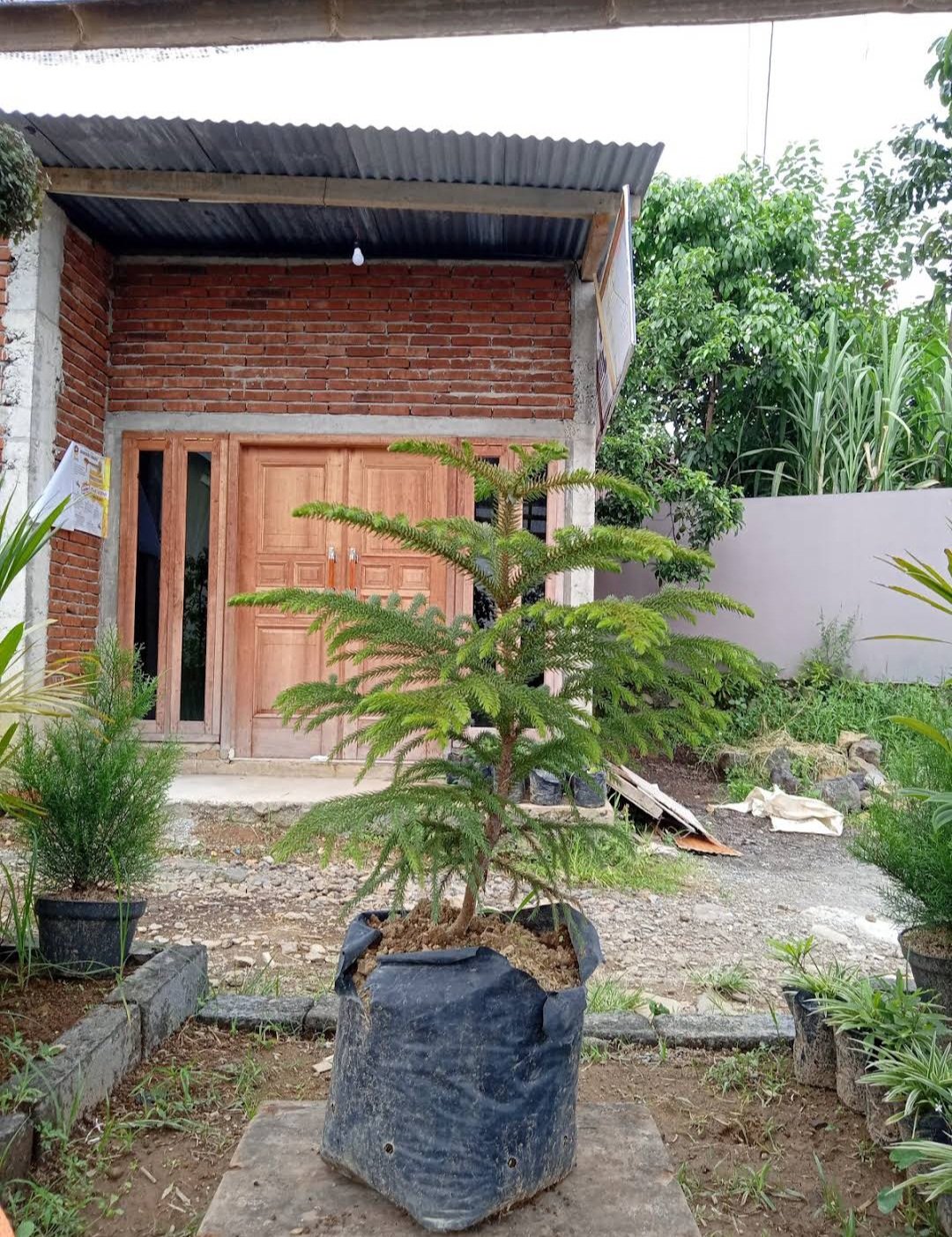
Live Plant Norfolk Island Pine Plant tree Flower garden Plant FREESHIPPING
It seems you're referring to the Norfolk Island Pine (Araucaria heterophylla), a popular houseplant that resembles a small pine tree. Here's a guide on how to grow Norfolk Island Pine:
Light: Norfolk Island Pine prefers bright, indirect light. Place it near a south- or west-facing window where it can receive plenty of sunlight. Avoid direct sunlight, especially during the hottest part of the day, as it can scorch the plant's needles.
Temperature: Norfolk Island Pine thrives in temperatures between 60°F to 75°F (15°C to 24°C). Avoid exposing it to temperatures below 50°F (10°C), as it is sensitive to cold drafts and frost.
Watering: Keep the soil evenly moist but not waterlogged. Water thoroughly when the top inch of soil feels dry to the touch. Ensure proper drainage to prevent root rot. Reduce watering during the winter months when growth slows down.
Humidity: Norfolk Island Pine prefers high humidity levels. If your indoor environment is dry, increase humidity by misting the plant regularly or placing a humidity tray filled with water and pebbles beneath the pot. Alternatively, use a room humidifier.
Soil: Plant Norfolk Island Pine in well-draining potting soil. A mixture of peat moss, perlite, and sand works well. Ensure the pot has drainage holes to prevent waterlogging.
Fertilization: Feed Norfolk Island Pine with a balanced liquid fertilizer diluted to half-strength every 4-6 weeks during the growing season (spring and summer). Cease fertilization in the fall and winter when growth slows down.
Pruning: Prune Norfolk Island Pine to maintain its shape and remove any dead or yellowing branches. Avoid heavy pruning, as this can stress the plant. Pinch back the growing tips to encourage bushier growth.
Repotting: Repot Norfolk Island Pine into a slightly larger pot every 2-3 years, or when it becomes root-bound. Use fresh potting soil and ensure the new pot has drainage holes.
Pest and Disease Control: Norfolk Island Pine is relatively pest-resistant but can occasionally be affected by spider mites, scale insects, or mealybugs. Inspect the plant regularly for signs of pests and treat infestations promptly with insecticidal soap or neem oil. Ensure good air circulation around the plant to prevent fungal diseases.
Propagation: Norfolk Island Pine can be propagated from stem cuttings, although it can be challenging. Take 4-6 inch (10-15 cm) stem cuttings from the plant's new growth and root them in moist potting soil or water. Provide bottom heat and high humidity to encourage rooting.
By following these guidelines, you can successfully grow Norfolk Island Pine as a beautiful houseplant and enjoy its resemblance to a miniature pine tree in your home.
In the photo is not factual item...
The size live plant item depends on stock...
Thank you
It seems you're referring to the Norfolk Island Pine (Araucaria heterophylla), a popular houseplant that resembles a small pine tree. Here's a guide on how to grow Norfolk Island Pine:
Light: Norfolk Island Pine prefers bright, indirect light. Place it near a south- or west-facing window where it can receive plenty of sunlight. Avoid direct sunlight, especially during the hottest part of the day, as it can scorch the plant's needles.
Temperature: Norfolk Island Pine thrives in temperatures between 60°F to 75°F (15°C to 24°C). Avoid exposing it to temperatures below 50°F (10°C), as it is sensitive to cold drafts and frost.
Watering: Keep the soil evenly moist but not waterlogged. Water thoroughly when the top inch of soil feels dry to the touch. Ensure proper drainage to prevent root rot. Reduce watering during the winter months when growth slows down.
Humidity: Norfolk Island Pine prefers high humidity levels. If your indoor environment is dry, increase humidity by misting the plant regularly or placing a humidity tray filled with water and pebbles beneath the pot. Alternatively, use a room humidifier.
Soil: Plant Norfolk Island Pine in well-draining potting soil. A mixture of peat moss, perlite, and sand works well. Ensure the pot has drainage holes to prevent waterlogging.
Fertilization: Feed Norfolk Island Pine with a balanced liquid fertilizer diluted to half-strength every 4-6 weeks during the growing season (spring and summer). Cease fertilization in the fall and winter when growth slows down.
Pruning: Prune Norfolk Island Pine to maintain its shape and remove any dead or yellowing branches. Avoid heavy pruning, as this can stress the plant. Pinch back the growing tips to encourage bushier growth.
Repotting: Repot Norfolk Island Pine into a slightly larger pot every 2-3 years, or when it becomes root-bound. Use fresh potting soil and ensure the new pot has drainage holes.
Pest and Disease Control: Norfolk Island Pine is relatively pest-resistant but can occasionally be affected by spider mites, scale insects, or mealybugs. Inspect the plant regularly for signs of pests and treat infestations promptly with insecticidal soap or neem oil. Ensure good air circulation around the plant to prevent fungal diseases.
Propagation: Norfolk Island Pine can be propagated from stem cuttings, although it can be challenging. Take 4-6 inch (10-15 cm) stem cuttings from the plant's new growth and root them in moist potting soil or water. Provide bottom heat and high humidity to encourage rooting.
By following these guidelines, you can successfully grow Norfolk Island Pine as a beautiful houseplant and enjoy its resemblance to a miniature pine tree in your home.
In the photo is not factual item...
The size live plant item depends on stock...
Thank you


 ID, Jawa Timur
