
£57.04
On Hold
Live Plant Begonia Maculata Plant Polka Dot Begonia Beautiful Flower Plant FREESHIPPING
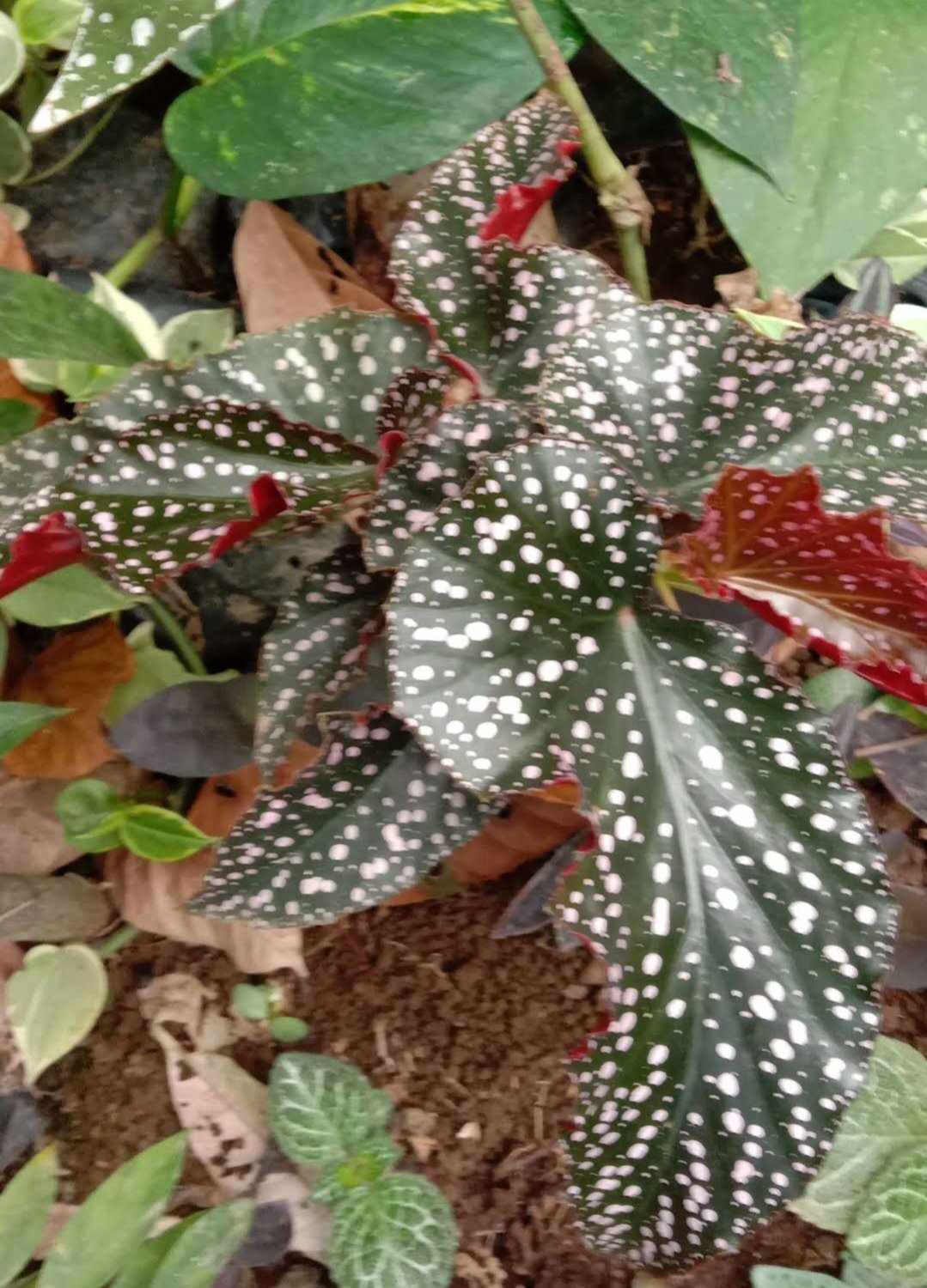
Live Plant Begonia Maculata Plant Polka Dot Begonia Beautiful Flower Plant FREESHIPPING
Begonias are popular flowering plants known for their vibrant colors and varied foliage. They can be grown both indoors and outdoors, depending on the variety and climate. Here's a guide on how to grow Begonias:
Light: Begonias thrive in bright, indirect light. Avoid direct sunlight, especially during the hottest part of the day, as it can scorch the leaves. Indoors, place begonias near a window where they can receive plenty of filtered sunlight. Outdoors, grow them in shaded or partially shaded areas.
Temperature: Begonias prefer moderate temperatures between 60°F to 75°F (15°C to 24°C). They are sensitive to cold drafts and temperatures below 50°F (10°C). Protect them from chilly winds and fluctuations in temperature.
Soil: Use well-draining, rich potting soil for begonias. A mix containing peat moss, perlite, or vermiculite works well. Ensure good drainage to prevent waterlogging, which can lead to root rot.
Watering: Water begonias thoroughly when the top inch of soil feels dry to the touch. Allow excess water to drain away, and avoid letting the plant sit in water. Begonias prefer consistently moist soil but can suffer from root rot if overwatered.
Humidity: Begonias thrive in high humidity environments. To increase humidity, you can mist the leaves regularly or place a tray of water with pebbles beneath the plant. Grouping plants together can also help create a more humid microclimate.
Fertilizing: Feed begonias with a balanced liquid fertilizer diluted to half strength every 4-6 weeks during the growing season (spring and summer). Reduce fertilization in fall and winter when growth slows down.
Pruning: Trim leggy or yellowing stems and remove any dead or damaged leaves to encourage new growth and maintain the plant's shape. Pinch back growing tips to promote bushier growth.
Propagation: Begonias can be easily propagated from stem cuttings or by division. Take cuttings from healthy stems and root them in moist potting soil or water. Divide overcrowded plants into smaller sections, ensuring each division has roots attached.
Pest and Disease Control: Monitor for pests such as aphids, spider mites, and powdery mildew, and treat them as needed with insecticidal soap or neem oil. Keep the area around the plant clean and free of debris to reduce the risk of disease.
Potting and Repotting: Repot begonias every 1-2 years or when they outgrow their containers. Choose a slightly larger pot with good drainage, and refresh the potting soil to provide fresh nutrients.
By providing the right growing conditions, proper care, and maintenance, you can successfully grow begonias and enjoy their colorful blooms and foliage. With their versatility and adaptability, begonias can brighten up indoor spaces or add beauty to outdoor gardens and landscapes.
In the photo is not factual item...
The size live plant item depends on stock...
Thank you
Begonias are popular flowering plants known for their vibrant colors and varied foliage. They can be grown both indoors and outdoors, depending on the variety and climate. Here's a guide on how to grow Begonias:
Light: Begonias thrive in bright, indirect light. Avoid direct sunlight, especially during the hottest part of the day, as it can scorch the leaves. Indoors, place begonias near a window where they can receive plenty of filtered sunlight. Outdoors, grow them in shaded or partially shaded areas.
Temperature: Begonias prefer moderate temperatures between 60°F to 75°F (15°C to 24°C). They are sensitive to cold drafts and temperatures below 50°F (10°C). Protect them from chilly winds and fluctuations in temperature.
Soil: Use well-draining, rich potting soil for begonias. A mix containing peat moss, perlite, or vermiculite works well. Ensure good drainage to prevent waterlogging, which can lead to root rot.
Watering: Water begonias thoroughly when the top inch of soil feels dry to the touch. Allow excess water to drain away, and avoid letting the plant sit in water. Begonias prefer consistently moist soil but can suffer from root rot if overwatered.
Humidity: Begonias thrive in high humidity environments. To increase humidity, you can mist the leaves regularly or place a tray of water with pebbles beneath the plant. Grouping plants together can also help create a more humid microclimate.
Fertilizing: Feed begonias with a balanced liquid fertilizer diluted to half strength every 4-6 weeks during the growing season (spring and summer). Reduce fertilization in fall and winter when growth slows down.
Pruning: Trim leggy or yellowing stems and remove any dead or damaged leaves to encourage new growth and maintain the plant's shape. Pinch back growing tips to promote bushier growth.
Propagation: Begonias can be easily propagated from stem cuttings or by division. Take cuttings from healthy stems and root them in moist potting soil or water. Divide overcrowded plants into smaller sections, ensuring each division has roots attached.
Pest and Disease Control: Monitor for pests such as aphids, spider mites, and powdery mildew, and treat them as needed with insecticidal soap or neem oil. Keep the area around the plant clean and free of debris to reduce the risk of disease.
Potting and Repotting: Repot begonias every 1-2 years or when they outgrow their containers. Choose a slightly larger pot with good drainage, and refresh the potting soil to provide fresh nutrients.
By providing the right growing conditions, proper care, and maintenance, you can successfully grow begonias and enjoy their colorful blooms and foliage. With their versatility and adaptability, begonias can brighten up indoor spaces or add beauty to outdoor gardens and landscapes.
In the photo is not factual item...
The size live plant item depends on stock...
Thank you


 ID, Jawa Timur
