
£25.51
On Hold
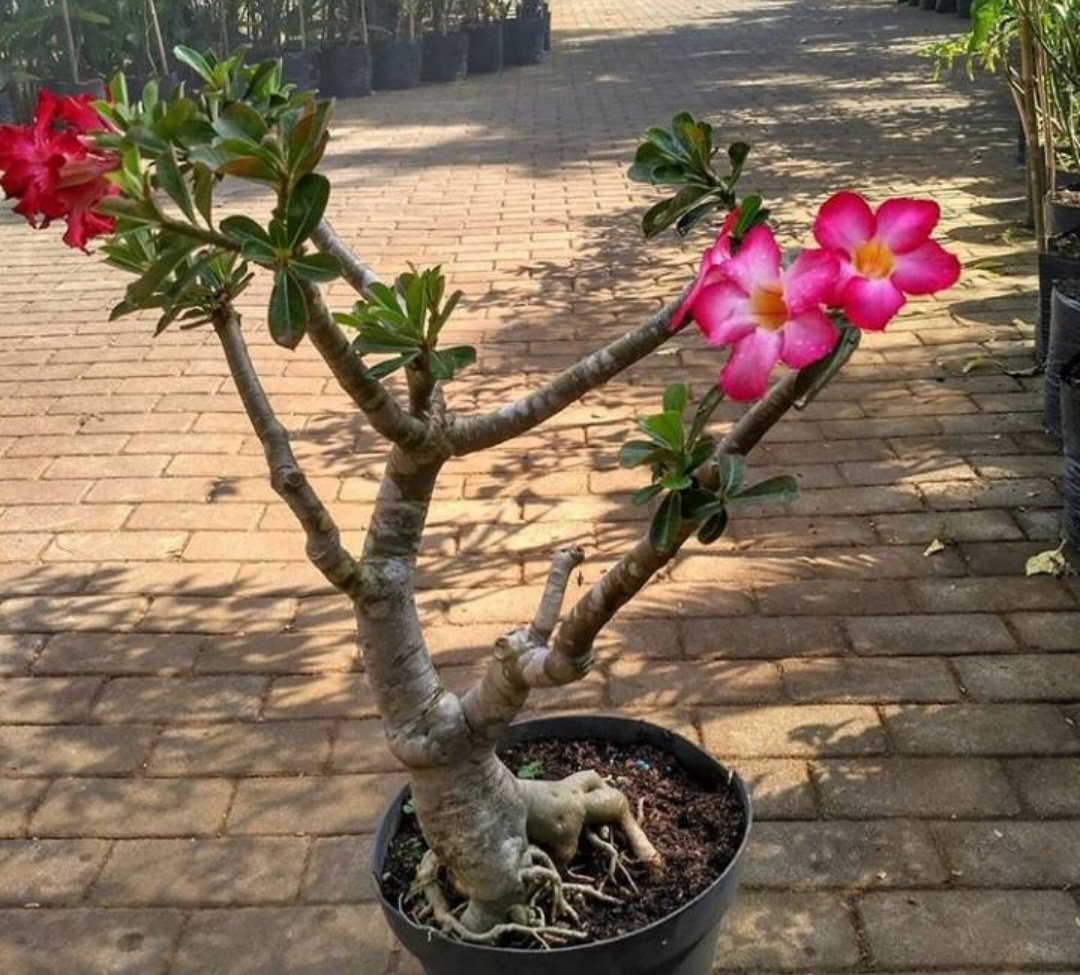
Live Plant Desert Rose Adenium obesum Pink Flower Houseplant Garden Home Garden #MPS
Tri Color Dwarf Oyster Tradescantia spathacea Flower Houseplant Garden Home Garden #MPS
Adenium, also known as Desert Rose or Sabi Star, is a beautiful and unique succulent plant native to arid regions of Africa and the Arabian Peninsula. Here are some guidelines on how to care for Adenium:
Light: Adenium plants thrive in bright sunlight. Place your plant in a location where it can receive at least 6-8 hours of direct sunlight per day. However, be cautious of intense afternoon sunlight, especially in hot climates, as it can scorch the leaves.
Temperature: Adeniums prefer warm temperatures and cannot tolerate frost. They thrive in temperatures between 65°F to 90°F (18°C to 32°C). Protect your plant from temperatures below 50°F (10°C), as cold temperatures can damage or kill it.
Watering: Adeniums are drought-tolerant plants and prefer to dry out between waterings. Water your Adenium thoroughly when the top inch or so of the soil feels dry. Allow excess water to drain away freely, and avoid leaving the plant sitting in water to prevent root rot. Reduce watering frequency during the winter months when the plant is dormant.
Soil: Plant your Adenium in a well-draining soil mix specifically formulated for succulents or cacti. A mix that contains perlite or coarse sand helps to ensure good drainage and prevent waterlogged soil, which can lead to root rot.
Fertilizing: Feed your Adenium with a balanced, water-soluble fertilizer diluted to half strength every 2-4 weeks during the growing season (spring and summer). Reduce or stop fertilization during the winter months when growth slows down.
Potting: Choose a pot with drainage holes to allow excess water to escape. Adeniums have shallow root systems, so a wide and shallow pot is preferable to a deep one. Repot your Adenium every 1-2 years, or when it outgrows its current container.
Pruning: Prune your Adenium as needed to maintain its shape and remove dead or damaged branches. You can also pinch back new growth to encourage a more compact and bushy appearance.
Pests and Diseases: Keep an eye out for common succulent pests such as aphids, mealybugs, and spider mites. Treat any infestations promptly with insecticidal soap or neem oil. Adeniums are also susceptible to fungal diseases, especially if overwatered. Ensure good air circulation around the plant and avoid getting water on the leaves to prevent fungal issues.
Overwintering: In colder climates, bring your Adenium indoors before temperatures drop below 50°F (10°C). Place it in a bright location with reduced watering to help it survive the winter dormancy period.
By following these care tips, you can enjoy healthy and vibrant Adenium plants in your home or garden.
In the photo is not factual item...
The size live plant item depends on stock...
Thank you
Adenium, also known as Desert Rose or Sabi Star, is a beautiful and unique succulent plant native to arid regions of Africa and the Arabian Peninsula. Here are some guidelines on how to care for Adenium:
Light: Adenium plants thrive in bright sunlight. Place your plant in a location where it can receive at least 6-8 hours of direct sunlight per day. However, be cautious of intense afternoon sunlight, especially in hot climates, as it can scorch the leaves.
Temperature: Adeniums prefer warm temperatures and cannot tolerate frost. They thrive in temperatures between 65°F to 90°F (18°C to 32°C). Protect your plant from temperatures below 50°F (10°C), as cold temperatures can damage or kill it.
Watering: Adeniums are drought-tolerant plants and prefer to dry out between waterings. Water your Adenium thoroughly when the top inch or so of the soil feels dry. Allow excess water to drain away freely, and avoid leaving the plant sitting in water to prevent root rot. Reduce watering frequency during the winter months when the plant is dormant.
Soil: Plant your Adenium in a well-draining soil mix specifically formulated for succulents or cacti. A mix that contains perlite or coarse sand helps to ensure good drainage and prevent waterlogged soil, which can lead to root rot.
Fertilizing: Feed your Adenium with a balanced, water-soluble fertilizer diluted to half strength every 2-4 weeks during the growing season (spring and summer). Reduce or stop fertilization during the winter months when growth slows down.
Potting: Choose a pot with drainage holes to allow excess water to escape. Adeniums have shallow root systems, so a wide and shallow pot is preferable to a deep one. Repot your Adenium every 1-2 years, or when it outgrows its current container.
Pruning: Prune your Adenium as needed to maintain its shape and remove dead or damaged branches. You can also pinch back new growth to encourage a more compact and bushy appearance.
Pests and Diseases: Keep an eye out for common succulent pests such as aphids, mealybugs, and spider mites. Treat any infestations promptly with insecticidal soap or neem oil. Adeniums are also susceptible to fungal diseases, especially if overwatered. Ensure good air circulation around the plant and avoid getting water on the leaves to prevent fungal issues.
Overwintering: In colder climates, bring your Adenium indoors before temperatures drop below 50°F (10°C). Place it in a bright location with reduced watering to help it survive the winter dormancy period.
By following these care tips, you can enjoy healthy and vibrant Adenium plants in your home or garden.
In the photo is not factual item...
The size live plant item depends on stock...
Thank you
You may also be interested in:
-
£4.49

-
£2.82
-
£6.30

-
£6.46

-
£3.57
-
£6.46

-
£2.82

-
£4.49

-
£6.46
-
£6.46



 ID, Jawa Timur
