
£45.03
Add to Cart
1Pcs Allamanda Yellow Bell Rare Flower Live Houseplant Easy Care Live Plant
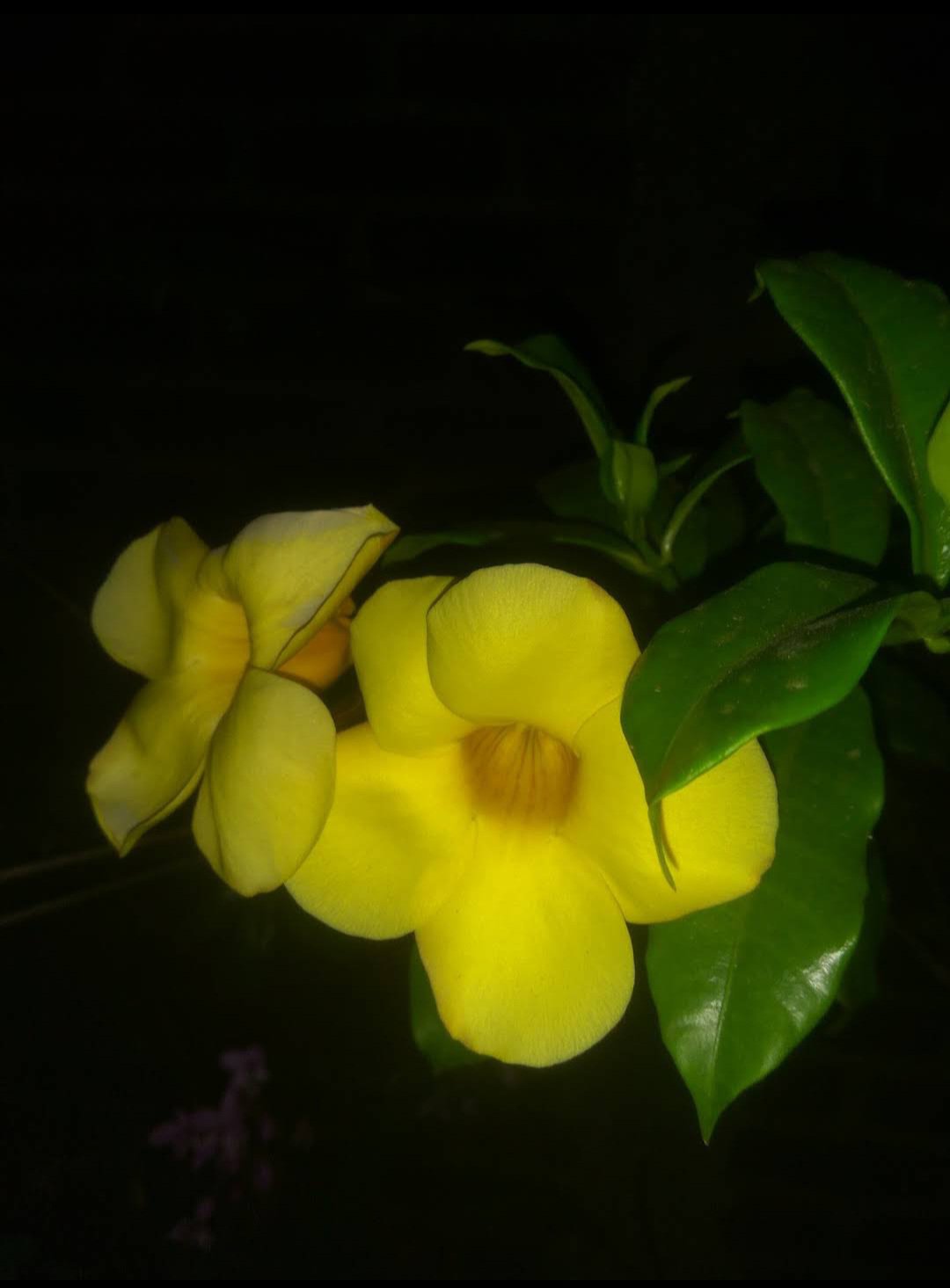
1Pcs Allamanda Yellow Bell Rare Flower Live Houseplant Easy Care Live Plant
Allamanda is a genus of tropical flowering plants known for their vibrant and showy trumpet-shaped flowers. Here's how to care for Allamanda:
Light: Allamandas thrive in full sun to partial shade. Place them in a location where they can receive at least 6 hours of direct sunlight per day. In hot climates, provide some afternoon shade to prevent leaf burn.
Watering: Water your Allamanda regularly during the growing season (spring and summer), keeping the soil consistently moist but not waterlogged. Allow the top inch of soil to dry out between waterings. Reduce watering in fall and winter when growth slows down.
Soil: Plant Allamandas in well-draining soil with good aeration. A mixture of potting soil, perlite, and sand works well. Ensure that the pot has drainage holes to prevent waterlogging.
Fertilization: Feed your Allamanda with a balanced liquid fertilizer formulated for flowering plants every 4-6 weeks during the growing season. Follow the manufacturer's instructions for dosage and application.
Pruning: Prune your Allamanda regularly to promote bushy growth and remove any dead or leggy stems. You can also prune to shape the plant and remove spent flowers to encourage continuous blooming.
Support: Provide support for climbing varieties of Allamanda by tying the stems to a trellis or other support structure. This will help the plant grow upright and prevent it from becoming leggy.
Temperature: Allamandas prefer warm temperatures between 60°F to 85°F (15°C to 29°C). Protect them from temperatures below 50°F (10°C), as they are sensitive to cold and can suffer from frost damage.
Humidity: Allamandas prefer moderate to high humidity levels. If the air in your home is dry, you can increase humidity by misting the plant regularly or placing a humidity tray filled with water and pebbles beneath the pot.
Pests and Diseases: Allamandas are relatively pest-resistant but may occasionally attract aphids, mealybugs, or scale insects. Inspect your plant regularly, especially new growth and the undersides of leaves, and treat any infestations promptly with insecticidal soap or neem oil. Avoid overwatering to prevent root rot and fungal diseases.
Propagation: Allamandas can be propagated from stem cuttings or seeds. Take a 6-8 inch cutting from a healthy stem, remove the lower leaves, and place it in a pot filled with moist potting soil. Keep the soil consistently moist until roots develop.
With proper care and attention to its specific needs, Allamandas can reward you with stunning blooms and lush foliage, adding beauty to your garden or indoor space.
In the photo is not factual item...
The size live plant item depends on stock...
Thank you
Allamanda is a genus of tropical flowering plants known for their vibrant and showy trumpet-shaped flowers. Here's how to care for Allamanda:
Light: Allamandas thrive in full sun to partial shade. Place them in a location where they can receive at least 6 hours of direct sunlight per day. In hot climates, provide some afternoon shade to prevent leaf burn.
Watering: Water your Allamanda regularly during the growing season (spring and summer), keeping the soil consistently moist but not waterlogged. Allow the top inch of soil to dry out between waterings. Reduce watering in fall and winter when growth slows down.
Soil: Plant Allamandas in well-draining soil with good aeration. A mixture of potting soil, perlite, and sand works well. Ensure that the pot has drainage holes to prevent waterlogging.
Fertilization: Feed your Allamanda with a balanced liquid fertilizer formulated for flowering plants every 4-6 weeks during the growing season. Follow the manufacturer's instructions for dosage and application.
Pruning: Prune your Allamanda regularly to promote bushy growth and remove any dead or leggy stems. You can also prune to shape the plant and remove spent flowers to encourage continuous blooming.
Support: Provide support for climbing varieties of Allamanda by tying the stems to a trellis or other support structure. This will help the plant grow upright and prevent it from becoming leggy.
Temperature: Allamandas prefer warm temperatures between 60°F to 85°F (15°C to 29°C). Protect them from temperatures below 50°F (10°C), as they are sensitive to cold and can suffer from frost damage.
Humidity: Allamandas prefer moderate to high humidity levels. If the air in your home is dry, you can increase humidity by misting the plant regularly or placing a humidity tray filled with water and pebbles beneath the pot.
Pests and Diseases: Allamandas are relatively pest-resistant but may occasionally attract aphids, mealybugs, or scale insects. Inspect your plant regularly, especially new growth and the undersides of leaves, and treat any infestations promptly with insecticidal soap or neem oil. Avoid overwatering to prevent root rot and fungal diseases.
Propagation: Allamandas can be propagated from stem cuttings or seeds. Take a 6-8 inch cutting from a healthy stem, remove the lower leaves, and place it in a pot filled with moist potting soil. Keep the soil consistently moist until roots develop.
With proper care and attention to its specific needs, Allamandas can reward you with stunning blooms and lush foliage, adding beauty to your garden or indoor space.
In the photo is not factual item...
The size live plant item depends on stock...
Thank you


 ID, jawa timur
