
£30.02
On Hold
Peperomia watermelon Flower Garden Plant Home Live Plant Rare Garden #MPS
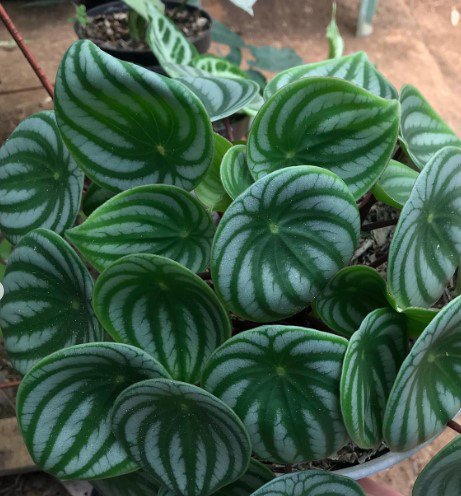
Peperomia watermelon Flower Garden Plant Home Live Plant Rare Garden #MPS
Peperomia is a diverse genus of small, easy-to-care-for houseplants known for their ornamental foliage and compact growth habit. Here are some general tips on how to care for Peperomia plants:
1. **Light**: Peperomias prefer bright, indirect light. They can tolerate lower light conditions, but their growth may slow down. Avoid direct sunlight, as it can scorch the leaves. A north or east-facing window is ideal, or provide filtered light in a brighter location.
2. **Watering**: Allow the top inch or two of soil to dry out between waterings. Peperomias are succulent-like plants and are sensitive to overwatering, which can lead to root rot. Water thoroughly when the soil feels dry, and ensure excess water can drain away from the pot.
3. **Soil**: Use a well-draining potting mix suitable for succulents or cacti. A mix that includes perlite, sand, or peat moss helps to ensure good drainage. Avoid heavy soils that retain too much moisture.
4. **Temperature and Humidity**: Peperomias prefer average room temperatures between 65-75°F (18-24°C). They can tolerate slightly cooler temperatures but should be kept away from drafts and sudden temperature fluctuations. Peperomias can adapt to normal household humidity levels but appreciate slightly higher humidity. Mist the leaves occasionally or use a humidity tray to increase humidity around the plant.
5. **Fertilizing**: Feed Peperomias with a balanced, diluted liquid fertilizer every 4-6 weeks during the growing season (spring and summer). Reduce feeding or stop altogether in fall and winter when growth slows down.
6. **Pruning**: Regularly prune Peperomias to maintain their shape and promote bushy growth. Pinch back growing tips or trim leggy stems to encourage compact growth. Remove any yellow or dead leaves with clean scissors or pruning shears.
7. **Repotting**: Repot Peperomias every 1-2 years, or when they outgrow their current pot. Choose a slightly larger pot with drainage holes and refresh the potting mix. Spring is generally the best time for repotting.
8. **Pests**: Keep an eye out for common houseplant pests such as spider mites, aphids, or mealybugs. If pests are present, treat the plant with insecticidal soap or neem oil, following the manufacturer's instructions.
9. **Propagation**: Peperomias can be propagated from leaf or stem cuttings. Take a cutting with a few leaves attached and allow the cut end to callous over for a day or two. Plant the cutting in moist potting mix or place it in water until roots develop.
10. **Varieties**: Different varieties of Peperomia may have slightly different care requirements. Some species, like Peperomia obtusifolia (Baby Rubber Plant), have thicker leaves and may require less frequent watering compared to others.
By following these care tips, you can keep your Peperomia plants healthy and thriving as attractive additions to your indoor plant collection. Adjust care practices based on the specific species or variety of Peperomia you have, as their needs can vary slightly.
In the photo is not factual item...
The size live plant item depends on stock...
Thank you
Peperomia is a diverse genus of small, easy-to-care-for houseplants known for their ornamental foliage and compact growth habit. Here are some general tips on how to care for Peperomia plants:
1. **Light**: Peperomias prefer bright, indirect light. They can tolerate lower light conditions, but their growth may slow down. Avoid direct sunlight, as it can scorch the leaves. A north or east-facing window is ideal, or provide filtered light in a brighter location.
2. **Watering**: Allow the top inch or two of soil to dry out between waterings. Peperomias are succulent-like plants and are sensitive to overwatering, which can lead to root rot. Water thoroughly when the soil feels dry, and ensure excess water can drain away from the pot.
3. **Soil**: Use a well-draining potting mix suitable for succulents or cacti. A mix that includes perlite, sand, or peat moss helps to ensure good drainage. Avoid heavy soils that retain too much moisture.
4. **Temperature and Humidity**: Peperomias prefer average room temperatures between 65-75°F (18-24°C). They can tolerate slightly cooler temperatures but should be kept away from drafts and sudden temperature fluctuations. Peperomias can adapt to normal household humidity levels but appreciate slightly higher humidity. Mist the leaves occasionally or use a humidity tray to increase humidity around the plant.
5. **Fertilizing**: Feed Peperomias with a balanced, diluted liquid fertilizer every 4-6 weeks during the growing season (spring and summer). Reduce feeding or stop altogether in fall and winter when growth slows down.
6. **Pruning**: Regularly prune Peperomias to maintain their shape and promote bushy growth. Pinch back growing tips or trim leggy stems to encourage compact growth. Remove any yellow or dead leaves with clean scissors or pruning shears.
7. **Repotting**: Repot Peperomias every 1-2 years, or when they outgrow their current pot. Choose a slightly larger pot with drainage holes and refresh the potting mix. Spring is generally the best time for repotting.
8. **Pests**: Keep an eye out for common houseplant pests such as spider mites, aphids, or mealybugs. If pests are present, treat the plant with insecticidal soap or neem oil, following the manufacturer's instructions.
9. **Propagation**: Peperomias can be propagated from leaf or stem cuttings. Take a cutting with a few leaves attached and allow the cut end to callous over for a day or two. Plant the cutting in moist potting mix or place it in water until roots develop.
10. **Varieties**: Different varieties of Peperomia may have slightly different care requirements. Some species, like Peperomia obtusifolia (Baby Rubber Plant), have thicker leaves and may require less frequent watering compared to others.
By following these care tips, you can keep your Peperomia plants healthy and thriving as attractive additions to your indoor plant collection. Adjust care practices based on the specific species or variety of Peperomia you have, as their needs can vary slightly.
In the photo is not factual item...
The size live plant item depends on stock...
Thank you
You may also be interested in:
-
£11.63
-
£8.64
-
£11.63
-
£5.64
-
£6.82

-
£5.64

-
£9.40
-
£8.66

-
£3.81

-
£4.61



 ID, Jawa Timur
