
£146.67
Add to Cart
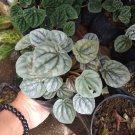
Norfolk Island Pine Tree Flower Plant Home Rare Plant Live Garden Easy Care Live Plant


Norfolk Island Pine Tree Flower Plant Home Rare Plant Live Garden Easy Care Live Plant
The Norfolk Island Pine (Araucaria heterophylla) is a popular indoor coniferous tree known for its symmetrical, pyramidal shape and resemblance to a miniature Christmas tree. Here are some key points to consider for caring for a Norfolk Island Pine:
1. **Light**: Norfolk Island Pines prefer bright, indirect light. They can tolerate some direct sunlight, especially in the morning or late afternoon, but intense sunlight can scorch their needles. Rotate the plant occasionally to ensure even growth.
2. **Temperature**: These trees prefer temperatures between 65-75°F (18-24°C) during the day and slightly cooler temperatures at night. They are sensitive to drafts and sudden temperature changes, so avoid placing them near heaters, air conditioners, or drafty windows.
3. **Humidity**: Norfolk Island Pines prefer high humidity levels. Indoor environments are typically drier, especially in winter when heating systems are running. Increase humidity by misting the tree regularly or using a humidity tray with water and pebbles.
4. **Watering**: Keep the soil evenly moist but not waterlogged. Water thoroughly when the top inch of soil feels dry. Use room temperature water and ensure good drainage to prevent root rot. Reduce watering in winter when growth slows down.
5. **Soil**: Use a well-draining potting mix designed for indoor plants or acidic-loving plants. A mix formulated for conifers or adding perlite and sand to standard potting soil can improve drainage.
6. **Fertilization**: Feed Norfolk Island Pines with a balanced, water-soluble fertilizer diluted to half strength every 4-6 weeks during the growing season (spring and summer). Reduce fertilization in fall and winter when growth slows down.
7. **Pruning**: Prune Norfolk Island Pines to maintain their shape and remove any dead or yellowing branches. They naturally shed older inner needles, so periodic grooming can help maintain a tidy appearance.
8. **Repotting**: Repot young Norfolk Island Pines every 2-3 years to refresh the soil and provide more space for root growth. Choose a pot that is slightly larger than the current one with good drainage holes.
9. **Pests and Diseases**: Watch for common pests such as spider mites, scale insects, or aphids. Treat any infestations promptly with insecticidal soap or neem oil. Ensure good air circulation around the tree to prevent fungal diseases.
10. **Holiday Decorations**: Norfolk Island Pines are sometimes used as living Christmas trees. Avoid keeping them indoors for extended periods during the holidays as they may not tolerate the dry indoor air and low light levels well.
With proper care, a Norfolk Island Pine can thrive indoors and become a striking addition to your home decor. Its unique appearance and relatively low maintenance make it a favorite among indoor plant enthusiasts. Adjust care based on the specific conditions of your home and the tree's response to ensure its health and longevity.
In the photo is not factual item...
The size live plant item depends on stock...
Thank you
The Norfolk Island Pine (Araucaria heterophylla) is a popular indoor coniferous tree known for its symmetrical, pyramidal shape and resemblance to a miniature Christmas tree. Here are some key points to consider for caring for a Norfolk Island Pine:
1. **Light**: Norfolk Island Pines prefer bright, indirect light. They can tolerate some direct sunlight, especially in the morning or late afternoon, but intense sunlight can scorch their needles. Rotate the plant occasionally to ensure even growth.
2. **Temperature**: These trees prefer temperatures between 65-75°F (18-24°C) during the day and slightly cooler temperatures at night. They are sensitive to drafts and sudden temperature changes, so avoid placing them near heaters, air conditioners, or drafty windows.
3. **Humidity**: Norfolk Island Pines prefer high humidity levels. Indoor environments are typically drier, especially in winter when heating systems are running. Increase humidity by misting the tree regularly or using a humidity tray with water and pebbles.
4. **Watering**: Keep the soil evenly moist but not waterlogged. Water thoroughly when the top inch of soil feels dry. Use room temperature water and ensure good drainage to prevent root rot. Reduce watering in winter when growth slows down.
5. **Soil**: Use a well-draining potting mix designed for indoor plants or acidic-loving plants. A mix formulated for conifers or adding perlite and sand to standard potting soil can improve drainage.
6. **Fertilization**: Feed Norfolk Island Pines with a balanced, water-soluble fertilizer diluted to half strength every 4-6 weeks during the growing season (spring and summer). Reduce fertilization in fall and winter when growth slows down.
7. **Pruning**: Prune Norfolk Island Pines to maintain their shape and remove any dead or yellowing branches. They naturally shed older inner needles, so periodic grooming can help maintain a tidy appearance.
8. **Repotting**: Repot young Norfolk Island Pines every 2-3 years to refresh the soil and provide more space for root growth. Choose a pot that is slightly larger than the current one with good drainage holes.
9. **Pests and Diseases**: Watch for common pests such as spider mites, scale insects, or aphids. Treat any infestations promptly with insecticidal soap or neem oil. Ensure good air circulation around the tree to prevent fungal diseases.
10. **Holiday Decorations**: Norfolk Island Pines are sometimes used as living Christmas trees. Avoid keeping them indoors for extended periods during the holidays as they may not tolerate the dry indoor air and low light levels well.
With proper care, a Norfolk Island Pine can thrive indoors and become a striking addition to your home decor. Its unique appearance and relatively low maintenance make it a favorite among indoor plant enthusiasts. Adjust care based on the specific conditions of your home and the tree's response to ensure its health and longevity.
In the photo is not factual item...
The size live plant item depends on stock...
Thank you
Other Products from blessinginco (View All)
-
£41.06

-
£110.00

-
£54.26

-
£33.73

-
£29.33

-
£20.53

-
£36.66

-
£21.99

-
£54.26

-
£49.86


 ID, jawa timur
