
£67.55
On Hold
African Mask plant Rare Flower Garden Plant Home Live Plant Rare Garden #MPS
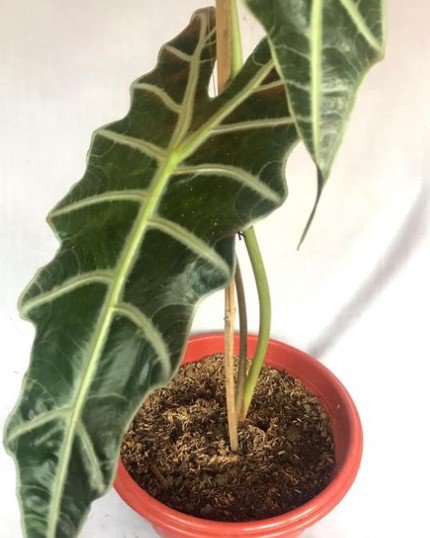
African Mask plant Rare Flower Garden Plant Home Live Plant Rare Garden #MPS
The African Mask plant, known botanically as *Alocasia amazonica*, is a striking tropical plant valued for its large, glossy, arrowhead-shaped leaves and unique markings. Here's an overview of this popular indoor plant:
1. **Appearance**:
- **Leaves**: The leaves of the African Mask plant are the standout feature, typically arrowhead-shaped and growing up to 2 feet (60 cm) long. They have a glossy texture and are dark green to almost black with contrasting white or silvery veins. The veins often form a striking pattern that resembles a zebra or a mask, hence the common name "African Mask".
- **Size**: Depending on the variety and growing conditions, the African Mask plant can reach a height of 2-3 feet (60-90 cm) and a spread of 1-2 feet (30-60 cm).
- **Growth habit**: It grows from a central rhizome and forms a clump of leaves that emerge from the base.
2. **Care**:
- **Light**: Prefers bright, indirect light. Avoid direct sunlight, especially intense afternoon sun, as it can scorch the leaves. It can tolerate lower light conditions, but growth may slow down and the leaves may lose some of their vibrant coloration.
- **Water**: Keep the soil evenly moist during the growing season (spring and summer). Water thoroughly when the top inch of soil feels dry, but do not allow the soil to become waterlogged. Reduce watering in the winter months when growth slows down.
- **Humidity**: Requires high humidity to thrive. Regular misting or placing the plant on a humidity tray filled with water and pebbles can help maintain adequate moisture levels. Alternatively, use a room humidifier.
- **Temperature**: Prefers temperatures between 65-75°F (18-24°C). Avoid cold drafts and sudden temperature fluctuations, as they can cause stress to the plant.
- **Soil**: Use a well-draining potting mix rich in organic matter. A mix formulated for aroids or tropical plants is suitable.
3. **Fertilization**: Feed the African Mask plant with a balanced liquid fertilizer diluted to half strength every 4-6 weeks during the growing season (spring and summer). Reduce fertilization in the fall and winter when growth slows down.
4. **Propagation**: Propagate the African Mask plant through division during repotting. Carefully separate the rhizome with roots attached and plant in separate pots with fresh potting soil.
5. **Maintenance**: Prune yellow or brown leaves as needed to maintain the plant's appearance and overall health. Clean the leaves periodically with a damp cloth to remove dust and improve the plant's ability to photosynthesize.
6. **Caution**: *Alocasia amazonica* (African Mask plant) is toxic if ingested, causing irritation and swelling of the mouth and throat. Keep it out of reach of pets and children.
The African Mask plant is prized for its ornamental foliage and makes an excellent choice for adding a tropical touch to indoor spaces. With proper care and attention to its specific requirements for light, water, humidity, and temperature, it will thrive and continue to showcase its stunning leaves.
In the photo is not factual item...
The size live plant item depends on stock...
Thank you
The African Mask plant, known botanically as *Alocasia amazonica*, is a striking tropical plant valued for its large, glossy, arrowhead-shaped leaves and unique markings. Here's an overview of this popular indoor plant:
1. **Appearance**:
- **Leaves**: The leaves of the African Mask plant are the standout feature, typically arrowhead-shaped and growing up to 2 feet (60 cm) long. They have a glossy texture and are dark green to almost black with contrasting white or silvery veins. The veins often form a striking pattern that resembles a zebra or a mask, hence the common name "African Mask".
- **Size**: Depending on the variety and growing conditions, the African Mask plant can reach a height of 2-3 feet (60-90 cm) and a spread of 1-2 feet (30-60 cm).
- **Growth habit**: It grows from a central rhizome and forms a clump of leaves that emerge from the base.
2. **Care**:
- **Light**: Prefers bright, indirect light. Avoid direct sunlight, especially intense afternoon sun, as it can scorch the leaves. It can tolerate lower light conditions, but growth may slow down and the leaves may lose some of their vibrant coloration.
- **Water**: Keep the soil evenly moist during the growing season (spring and summer). Water thoroughly when the top inch of soil feels dry, but do not allow the soil to become waterlogged. Reduce watering in the winter months when growth slows down.
- **Humidity**: Requires high humidity to thrive. Regular misting or placing the plant on a humidity tray filled with water and pebbles can help maintain adequate moisture levels. Alternatively, use a room humidifier.
- **Temperature**: Prefers temperatures between 65-75°F (18-24°C). Avoid cold drafts and sudden temperature fluctuations, as they can cause stress to the plant.
- **Soil**: Use a well-draining potting mix rich in organic matter. A mix formulated for aroids or tropical plants is suitable.
3. **Fertilization**: Feed the African Mask plant with a balanced liquid fertilizer diluted to half strength every 4-6 weeks during the growing season (spring and summer). Reduce fertilization in the fall and winter when growth slows down.
4. **Propagation**: Propagate the African Mask plant through division during repotting. Carefully separate the rhizome with roots attached and plant in separate pots with fresh potting soil.
5. **Maintenance**: Prune yellow or brown leaves as needed to maintain the plant's appearance and overall health. Clean the leaves periodically with a damp cloth to remove dust and improve the plant's ability to photosynthesize.
6. **Caution**: *Alocasia amazonica* (African Mask plant) is toxic if ingested, causing irritation and swelling of the mouth and throat. Keep it out of reach of pets and children.
The African Mask plant is prized for its ornamental foliage and makes an excellent choice for adding a tropical touch to indoor spaces. With proper care and attention to its specific requirements for light, water, humidity, and temperature, it will thrive and continue to showcase its stunning leaves.
In the photo is not factual item...
The size live plant item depends on stock...
Thank you
You may also be interested in:
-
£11.63
-
£11.63
-
£11.63
-
£11.63
-
£11.63
-
£11.63
-
£11.63
-
£5.15
-
£11.63
-
£11.63


 ID, Jawa Timur
