
£37.52
On Hold
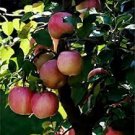
Lychee Tree Rare Fruit Garden Plant Home Live Plant Rare Garden #MPS
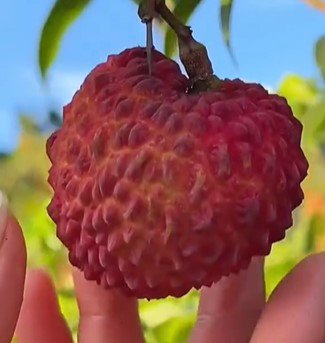
Lychee Tree Rare Fruit Garden Plant Home Live Plant Rare Garden #MPS
The lychee tree, known scientifically as Litchi chinensis, is a tropical and subtropical evergreen tree native to Southeast Asia. Here’s a detailed overview of the lychee tree:
1. **Appearance**: The lychee tree typically grows to a height of 10 to 15 meters (30 to 50 feet) and has dense, round-topped foliage with dark green leaves that are pinnate (feather-like) in structure. The new leaves are bronze or pinkish-red in color.
2. **Fruit**: The lychee fruit is a small, rounded berry with a rough, reddish-pink rind that is easily peeled away to reveal translucent white flesh inside. The flesh is juicy, sweet, and aromatic, surrounding a single large seed. The flavor is distinctive, often described as a mix of grape and rosewater.
3. **Flowering and Fruit Production**: Lychee trees produce clusters of small, greenish-yellow flowers that are very fragrant. These flowers develop into fruit, which ripens about 3 to 5 months after flowering, typically from late spring to early summer.
4. **Cultivation**: Lychee trees thrive in warm, humid climates with well-drained soil. They are sensitive to frost and prefer temperatures that do not drop below freezing. They require regular watering, especially during dry periods, and benefit from mulching to retain soil moisture.
5. **Harvesting**: Lychees are harvested when fully mature and ripe, as indicated by their vibrant color and slight softening of the rind. The fruit is typically harvested by hand to avoid damage.
6. **Nutritional Value**: Lychees are low in calories but rich in vitamin C, potassium, and dietary fiber. They also contain antioxidants such as flavonoids and phenolic acids, which may offer various health benefits.
7. **Culinary Uses**: Lychees are commonly eaten fresh as a snack or dessert. They can also be used in fruit salads, smoothies, cocktails, and as a flavoring in ice creams and sorbets. In some cuisines, lychees are used in savory dishes as well.
8. **Cultural Significance**: Lychees have cultural significance in several Asian countries, where they are often associated with celebrations, festivals, and auspicious occasions. They are also valued in traditional medicine for their supposed health benefits.
Overall, the lychee tree is prized for its delicious fruit, ornamental value, and cultural importance, making it a popular choice for tropical and subtropical gardens and orchards where climate conditions are suitable.
In the photo is not factual item...
The size live plant item depends on stock...
Thank you
The lychee tree, known scientifically as Litchi chinensis, is a tropical and subtropical evergreen tree native to Southeast Asia. Here’s a detailed overview of the lychee tree:
1. **Appearance**: The lychee tree typically grows to a height of 10 to 15 meters (30 to 50 feet) and has dense, round-topped foliage with dark green leaves that are pinnate (feather-like) in structure. The new leaves are bronze or pinkish-red in color.
2. **Fruit**: The lychee fruit is a small, rounded berry with a rough, reddish-pink rind that is easily peeled away to reveal translucent white flesh inside. The flesh is juicy, sweet, and aromatic, surrounding a single large seed. The flavor is distinctive, often described as a mix of grape and rosewater.
3. **Flowering and Fruit Production**: Lychee trees produce clusters of small, greenish-yellow flowers that are very fragrant. These flowers develop into fruit, which ripens about 3 to 5 months after flowering, typically from late spring to early summer.
4. **Cultivation**: Lychee trees thrive in warm, humid climates with well-drained soil. They are sensitive to frost and prefer temperatures that do not drop below freezing. They require regular watering, especially during dry periods, and benefit from mulching to retain soil moisture.
5. **Harvesting**: Lychees are harvested when fully mature and ripe, as indicated by their vibrant color and slight softening of the rind. The fruit is typically harvested by hand to avoid damage.
6. **Nutritional Value**: Lychees are low in calories but rich in vitamin C, potassium, and dietary fiber. They also contain antioxidants such as flavonoids and phenolic acids, which may offer various health benefits.
7. **Culinary Uses**: Lychees are commonly eaten fresh as a snack or dessert. They can also be used in fruit salads, smoothies, cocktails, and as a flavoring in ice creams and sorbets. In some cuisines, lychees are used in savory dishes as well.
8. **Cultural Significance**: Lychees have cultural significance in several Asian countries, where they are often associated with celebrations, festivals, and auspicious occasions. They are also valued in traditional medicine for their supposed health benefits.
Overall, the lychee tree is prized for its delicious fruit, ornamental value, and cultural importance, making it a popular choice for tropical and subtropical gardens and orchards where climate conditions are suitable.
In the photo is not factual item...
The size live plant item depends on stock...
Thank you
You may also be interested in:
-
£7.42

-
£8.06
-
£6.75

-
£4.41

-
£3.66
-
£2.45

-
£6.69
-
£6.15

-
£3.15

-
£2.39


 ID, Jawa Timur
