
£34.52
On Hold
Purple Fig Tree Ficus Carica Rare Fruit Garden Plant Home Live Plant Rare Garden #MPS
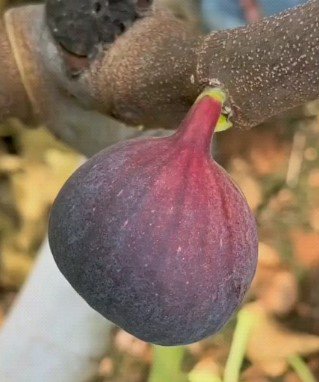
Purple Fig Tree Ficus Carica Rare Fruit Garden Plant Home Live Plant Rare Garden #MPS
The Fig tree, scientifically known as Ficus carica, is a deciduous tree native to the Middle East and western Asia but now cultivated worldwide for its delicious and nutritious fruit. Here's an overview of the Fig tree and its fruit:
1. **Appearance**: Fig trees vary in size and shape depending on the variety and growing conditions. They can range from small bushes to medium-sized trees, typically reaching heights of 3 to 10 meters (10 to 33 feet). The leaves are large, lobed, and deeply divided, with a rough texture.
2. **Fruit**: Figs are unique fruits that grow on the Fig tree. They are pear-shaped to round and vary in color from green to purple, depending on the variety and ripeness. The skin is thin and edible, while the flesh inside is soft, juicy, and sweet, containing many tiny seeds.
3. **Flavor and Texture**: The flavor of figs can vary but is generally sweet with a honey-like taste. The texture ranges from soft and pulpy when ripe to slightly firmer if picked earlier.
4. **Culinary Uses**: Figs are versatile in cooking and can be enjoyed fresh or dried. They are commonly eaten fresh as a snack or added to salads, cheese plates, and desserts. Dried figs are popular in baking, such as in cakes, cookies, and bread, or used as a natural sweetener.
5. **Nutritional Value**: Figs are nutritious and contain vitamins (especially vitamin K and several B vitamins), minerals (such as potassium, calcium, and magnesium), dietary fiber, and antioxidants. They are low in calories but provide a good source of natural sugars.
6. **Growing Conditions**: Fig trees thrive in Mediterranean-like climates with hot, dry summers and mild winters. They prefer well-drained soil and full sun exposure but can tolerate some shade. Fig trees are drought-tolerant once established but benefit from regular watering during fruit development.
7. **Harvesting**: Figs are harvested when fully ripe, which is indicated by their soft texture and rich color. They should be handled carefully as they are delicate fruits and prone to bruising.
8. **Health Benefits**: Consuming figs may offer various health benefits, including supporting digestive health due to their fiber content, providing antioxidants that help protect cells from damage, and contributing to heart health due to their potassium content.
Overall, the Fig tree and its fruit are prized for their sweet flavor, nutritional richness, and culinary versatility, making them a popular choice among gardeners and food enthusiasts alike in suitable climates.
In the photo is not factual item...
The size live plant item depends on stock...
Thank you
The Fig tree, scientifically known as Ficus carica, is a deciduous tree native to the Middle East and western Asia but now cultivated worldwide for its delicious and nutritious fruit. Here's an overview of the Fig tree and its fruit:
1. **Appearance**: Fig trees vary in size and shape depending on the variety and growing conditions. They can range from small bushes to medium-sized trees, typically reaching heights of 3 to 10 meters (10 to 33 feet). The leaves are large, lobed, and deeply divided, with a rough texture.
2. **Fruit**: Figs are unique fruits that grow on the Fig tree. They are pear-shaped to round and vary in color from green to purple, depending on the variety and ripeness. The skin is thin and edible, while the flesh inside is soft, juicy, and sweet, containing many tiny seeds.
3. **Flavor and Texture**: The flavor of figs can vary but is generally sweet with a honey-like taste. The texture ranges from soft and pulpy when ripe to slightly firmer if picked earlier.
4. **Culinary Uses**: Figs are versatile in cooking and can be enjoyed fresh or dried. They are commonly eaten fresh as a snack or added to salads, cheese plates, and desserts. Dried figs are popular in baking, such as in cakes, cookies, and bread, or used as a natural sweetener.
5. **Nutritional Value**: Figs are nutritious and contain vitamins (especially vitamin K and several B vitamins), minerals (such as potassium, calcium, and magnesium), dietary fiber, and antioxidants. They are low in calories but provide a good source of natural sugars.
6. **Growing Conditions**: Fig trees thrive in Mediterranean-like climates with hot, dry summers and mild winters. They prefer well-drained soil and full sun exposure but can tolerate some shade. Fig trees are drought-tolerant once established but benefit from regular watering during fruit development.
7. **Harvesting**: Figs are harvested when fully ripe, which is indicated by their soft texture and rich color. They should be handled carefully as they are delicate fruits and prone to bruising.
8. **Health Benefits**: Consuming figs may offer various health benefits, including supporting digestive health due to their fiber content, providing antioxidants that help protect cells from damage, and contributing to heart health due to their potassium content.
Overall, the Fig tree and its fruit are prized for their sweet flavor, nutritional richness, and culinary versatility, making them a popular choice among gardeners and food enthusiasts alike in suitable climates.
In the photo is not factual item...
The size live plant item depends on stock...
Thank you
You may also be interested in:
-
£7.42

-
£8.06
-
£3.66
-
£11.97

-
£14.22

-
£4.41

-
£11.97

-
£4.39

-
£11.97

-
£6.40



 ID, Jawa Timur
