
£52.53
Add to Cart
Philodendron Plowmanii Flower Houseplant Live Plant - Plant for Your Home Garden
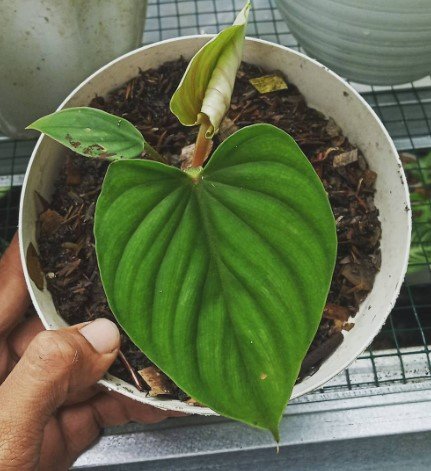
Philodendron Plowmanii Flower Houseplant Live Plant - Plant for Your Home Garden
**Philodendron plowmanii** is a lesser-known but striking species within the Philodendron genus. Here's a detailed overview of its characteristics and care requirements:
1. **Appearance**:
- **Leaves**: Philodendron plowmanii is recognized for its large, deeply lobed leaves that can reach up to 3 feet (1 meter) in length. The leaves are usually dark green with prominent, contrasting pale green veins.
- **Growth Habit**: This species tends to grow in a climbing or trailing manner, making it suitable for hanging baskets or climbing up a support.
2. **Light**:
- **Light Requirements**: It thrives in bright, indirect light. Avoid direct sunlight, especially intense afternoon sun, as it can scorch the leaves.
- **Low Light Tolerance**: It can tolerate lower light conditions but may not grow as vigorously or produce as many leaves.
3. **Watering**:
- **Watering Frequency**: Allow the top inch or two of soil to dry out between waterings.
- **Watering Technique**: Water thoroughly when watering, ensuring excess water drains away. Avoid letting the plant sit in water, as this can lead to root rot.
4. **Humidity and Temperature**:
- **Humidity**: Prefers moderate to high humidity levels. Mist the leaves occasionally or use a humidity tray to increase humidity, especially in dry indoor environments.
- **Temperature**: Thrives in typical indoor temperatures between 65-75°F (18-24°C). Avoid sudden temperature fluctuations and drafts.
5. **Soil**:
- **Soil Type**: Use a well-draining potting mix rich in organic matter.
- **Additional Components**: Adding perlite or orchid bark can enhance drainage and aeration, which is beneficial for the roots.
6. **Fertilizing**:
- **Frequency**: Feed with a balanced liquid fertilizer diluted to half-strength every 4-6 weeks during the growing season (spring and summer).
- **Reduced Feeding**: Reduce feeding in fall and winter when growth slows down.
7. **Propagation**:
- **Propagation Method**: Philodendron plowmanii can be propagated from stem cuttings.
- **Cutting Preparation**: Take a cutting below a node and place it in water or directly in moist soil. Roots should develop within a few weeks.
8. **Pruning**:
- **Pruning Needs**: Prune occasionally to maintain a desired shape and remove any dead or yellowing leaves. This can also encourage new growth.
9. **Pests**:
- **Common Pests**: Monitor for common houseplant pests such as spider mites, aphids, and mealybugs.
- **Treatment**: Treat any infestations promptly with insecticidal soap or neem oil.
10. **Toxicity**:
- **Potential Irritant**: Like many Philodendron species, Philodendron plowmanii contains calcium oxalate crystals, which can cause irritation if ingested. Keep out of reach of children and pets.
Philodendron plowmanii is appreciated for its bold foliage and relatively manageable care requirements, making it a desirable addition to indoor plant collections. With proper care and attention to its specific needs, it can thrive and add a tropical elegance to your living space.
In the photo is not factual item...
The size live plant item depends on stock...
Thank you
**Philodendron plowmanii** is a lesser-known but striking species within the Philodendron genus. Here's a detailed overview of its characteristics and care requirements:
1. **Appearance**:
- **Leaves**: Philodendron plowmanii is recognized for its large, deeply lobed leaves that can reach up to 3 feet (1 meter) in length. The leaves are usually dark green with prominent, contrasting pale green veins.
- **Growth Habit**: This species tends to grow in a climbing or trailing manner, making it suitable for hanging baskets or climbing up a support.
2. **Light**:
- **Light Requirements**: It thrives in bright, indirect light. Avoid direct sunlight, especially intense afternoon sun, as it can scorch the leaves.
- **Low Light Tolerance**: It can tolerate lower light conditions but may not grow as vigorously or produce as many leaves.
3. **Watering**:
- **Watering Frequency**: Allow the top inch or two of soil to dry out between waterings.
- **Watering Technique**: Water thoroughly when watering, ensuring excess water drains away. Avoid letting the plant sit in water, as this can lead to root rot.
4. **Humidity and Temperature**:
- **Humidity**: Prefers moderate to high humidity levels. Mist the leaves occasionally or use a humidity tray to increase humidity, especially in dry indoor environments.
- **Temperature**: Thrives in typical indoor temperatures between 65-75°F (18-24°C). Avoid sudden temperature fluctuations and drafts.
5. **Soil**:
- **Soil Type**: Use a well-draining potting mix rich in organic matter.
- **Additional Components**: Adding perlite or orchid bark can enhance drainage and aeration, which is beneficial for the roots.
6. **Fertilizing**:
- **Frequency**: Feed with a balanced liquid fertilizer diluted to half-strength every 4-6 weeks during the growing season (spring and summer).
- **Reduced Feeding**: Reduce feeding in fall and winter when growth slows down.
7. **Propagation**:
- **Propagation Method**: Philodendron plowmanii can be propagated from stem cuttings.
- **Cutting Preparation**: Take a cutting below a node and place it in water or directly in moist soil. Roots should develop within a few weeks.
8. **Pruning**:
- **Pruning Needs**: Prune occasionally to maintain a desired shape and remove any dead or yellowing leaves. This can also encourage new growth.
9. **Pests**:
- **Common Pests**: Monitor for common houseplant pests such as spider mites, aphids, and mealybugs.
- **Treatment**: Treat any infestations promptly with insecticidal soap or neem oil.
10. **Toxicity**:
- **Potential Irritant**: Like many Philodendron species, Philodendron plowmanii contains calcium oxalate crystals, which can cause irritation if ingested. Keep out of reach of children and pets.
Philodendron plowmanii is appreciated for its bold foliage and relatively manageable care requirements, making it a desirable addition to indoor plant collections. With proper care and attention to its specific needs, it can thrive and add a tropical elegance to your living space.
In the photo is not factual item...
The size live plant item depends on stock...
Thank you
You may also be interested in:
-
£27.73
-
£42.75
-
£20.19
-
£75.06

-
£6.75

-
£7.50
-
£1,152.92

-
£12.01
-
£681.54
-
£408.44


 ID, yogyakarta
