
£49.53
Add to Cart
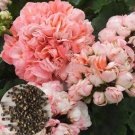
Caladium Thai Pink Flower Houseplant Live Plant - Plant for Your Home Garden
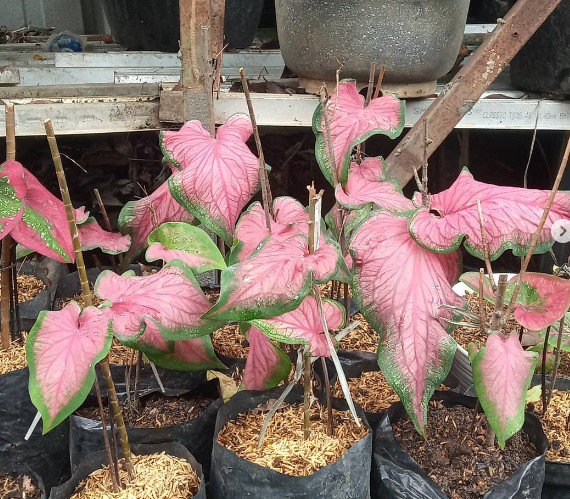
Caladium Thai Pink Flower Houseplant Live Plant - Plant for Your Home Garden
**Caladium Thai Pink** is a striking cultivar of Caladium, known for its vibrant and colorful foliage. Here’s a detailed look at this plant:
1. **Appearance**:
- **Leaves**: Caladium Thai Pink features large, heart-shaped leaves that are primarily pink with contrasting green edges or veins.
- **Coloration**: The pink coloration can vary from soft pastel shades to deeper hues, depending on light exposure and growing conditions.
- **Pattern**: Some varieties may have additional variegation or speckling, enhancing the ornamental appeal.
2. **Light**:
- **Light Requirements**: Prefers bright, indirect light. Direct sunlight should be filtered or avoided, as it can scorch the leaves.
- **Low Light Tolerance**: Can tolerate moderate to low light conditions indoors, but the vibrant pink color may fade under lower light levels.
3. **Watering**:
- **Watering Frequency**: Keep the soil consistently moist during the growing season (spring and summer). Allow the top inch or so of soil to dry out between waterings.
- **Winter Watering**: Reduce watering frequency in the winter months when growth slows down.
4. **Humidity and Temperature**:
- **Humidity**: Caladiums prefer high humidity levels. Regular misting or using a humidity tray can help maintain adequate humidity, especially indoors.
- **Temperature**: Thrives in warm temperatures ranging from 65-75°F (18-24°C). Avoid cold drafts or sudden temperature fluctuations.
5. **Soil**:
- **Soil Type**: Use a well-draining potting mix rich in organic matter. A mixture formulated for houseplants or aroids is suitable.
- **Additional Components**: Adding perlite or coarse sand can improve drainage, which is beneficial for Caladiums.
6. **Fertilizing**:
- **Fertilizer Type**: Feed with a balanced liquid fertilizer diluted to half-strength every 4-6 weeks during the growing season.
- **Reduced Feeding**: Reduce feeding in fall and winter when growth slows down.
7. **Propagation**:
- **Propagation Method**: Caladiums are typically propagated from tubers or by division.
- **Tuber Division**: Separate tubers during dormancy, ensuring each division has at least one bud or "eye."
8. **Pruning**:
- **Pruning Needs**: Remove any yellowing or dead leaves to maintain plant health and appearance. This can also encourage new growth.
9. **Pests**:
- **Common Pests**: Watch for pests such as spider mites, aphids, and mealybugs.
- **Treatment**: Treat any infestations promptly with insecticidal soap or neem oil.
10. **Toxicity**:
- **Potential Irritant**: Caladiums contain calcium oxalate crystals, which can cause irritation if ingested or if the sap comes into contact with skin. Keep away from children and pets.
Caladium Thai Pink is prized for its colorful and eye-catching foliage, making it a popular choice for adding a tropical flair to gardens or indoor spaces. With proper care, including adequate light, water, humidity, and temperature, it can thrive and bring beauty to your plant collection.
In the photo is not factual item...
The size live plant item depends on stock...
Thank you
**Caladium Thai Pink** is a striking cultivar of Caladium, known for its vibrant and colorful foliage. Here’s a detailed look at this plant:
1. **Appearance**:
- **Leaves**: Caladium Thai Pink features large, heart-shaped leaves that are primarily pink with contrasting green edges or veins.
- **Coloration**: The pink coloration can vary from soft pastel shades to deeper hues, depending on light exposure and growing conditions.
- **Pattern**: Some varieties may have additional variegation or speckling, enhancing the ornamental appeal.
2. **Light**:
- **Light Requirements**: Prefers bright, indirect light. Direct sunlight should be filtered or avoided, as it can scorch the leaves.
- **Low Light Tolerance**: Can tolerate moderate to low light conditions indoors, but the vibrant pink color may fade under lower light levels.
3. **Watering**:
- **Watering Frequency**: Keep the soil consistently moist during the growing season (spring and summer). Allow the top inch or so of soil to dry out between waterings.
- **Winter Watering**: Reduce watering frequency in the winter months when growth slows down.
4. **Humidity and Temperature**:
- **Humidity**: Caladiums prefer high humidity levels. Regular misting or using a humidity tray can help maintain adequate humidity, especially indoors.
- **Temperature**: Thrives in warm temperatures ranging from 65-75°F (18-24°C). Avoid cold drafts or sudden temperature fluctuations.
5. **Soil**:
- **Soil Type**: Use a well-draining potting mix rich in organic matter. A mixture formulated for houseplants or aroids is suitable.
- **Additional Components**: Adding perlite or coarse sand can improve drainage, which is beneficial for Caladiums.
6. **Fertilizing**:
- **Fertilizer Type**: Feed with a balanced liquid fertilizer diluted to half-strength every 4-6 weeks during the growing season.
- **Reduced Feeding**: Reduce feeding in fall and winter when growth slows down.
7. **Propagation**:
- **Propagation Method**: Caladiums are typically propagated from tubers or by division.
- **Tuber Division**: Separate tubers during dormancy, ensuring each division has at least one bud or "eye."
8. **Pruning**:
- **Pruning Needs**: Remove any yellowing or dead leaves to maintain plant health and appearance. This can also encourage new growth.
9. **Pests**:
- **Common Pests**: Watch for pests such as spider mites, aphids, and mealybugs.
- **Treatment**: Treat any infestations promptly with insecticidal soap or neem oil.
10. **Toxicity**:
- **Potential Irritant**: Caladiums contain calcium oxalate crystals, which can cause irritation if ingested or if the sap comes into contact with skin. Keep away from children and pets.
Caladium Thai Pink is prized for its colorful and eye-catching foliage, making it a popular choice for adding a tropical flair to gardens or indoor spaces. With proper care, including adequate light, water, humidity, and temperature, it can thrive and bring beauty to your plant collection.
In the photo is not factual item...
The size live plant item depends on stock...
Thank you
You may also be interested in:
-
£6.70
-
£3.81

-
£3.06

-
£9.40
-
£7.98
-
£6.70
-
£11.63
-
£7.42
-
£8.08
-
£3.81


 ID, yogyakarta
