
£19.51
Add to Cart
Elephant Bush Variegated Flower Houseplant Live Plant - Plant for Your Home Garden
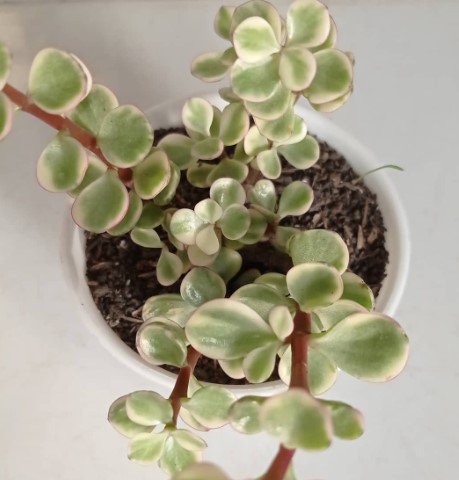
Elephant Bush Variegated Flower Houseplant Live Plant - Plant for Your Home Garden
**Portulacaria afra**, commonly known as **Elephant Bush**, **Elephant Food**, or **Dwarf Jade**, is a popular succulent known for its attractive, small, rounded leaves and hardy nature. Here’s a comprehensive guide to caring for this versatile plant:
### Appearance
- **Leaves**: Portulacaria afra features small, round or oval-shaped leaves that are typically green, though they can sometimes develop reddish or purplish hues under certain conditions. The leaves are arranged in clusters along the stems.
- **Growth Habit**: It can grow as a shrub or small tree and is often used as a bonsai plant due to its compact growth habit. The stems are woody and can become quite thick with age.
### Care
- **Light**: Thrives in bright, indirect light. It can tolerate direct sunlight, which may enhance its color and growth. However, if grown indoors, it’s best to place it near a south or west-facing window. If grown outdoors, it should be in a location with plenty of sunlight.
- **Watering**: Allow the soil to dry out completely between waterings. Water thoroughly when the soil is dry. Overwatering is a common issue and can lead to root rot, so ensure the pot has excellent drainage. Reduce watering in the winter when the plant's growth slows.
- **Humidity**: Prefers low to moderate humidity. It is quite tolerant of dry air, making it well-suited for indoor environments. High humidity is generally not necessary.
- **Temperature**: Enjoys temperatures between 65-80°F (18-27°C). It can tolerate brief periods of cooler temperatures but should be protected from frost. Avoid temperatures below 50°F (10°C).
### Soil and Fertilization
- **Soil**: Use a well-draining potting mix. A cactus or succulent mix works well, or you can make your own by combining regular potting soil with perlite or sand for added drainage.
- **Fertilization**: Feed with a balanced, liquid fertilizer diluted to half strength every 4-6 weeks during the growing season (spring and summer). Reduce or stop feeding in the fall and winter when the plant’s growth slows.
### Propagation
- **Method**: Portulacaria afra is easily propagated through stem cuttings or leaves. For stem cuttings, allow the cut end to callus over for a day or two before planting in soil. For leaf propagation, allow the leaf to dry out for a few days before planting it on the soil surface. Both methods should be done in well-draining soil and kept in bright light.
### Additional Tips
- **Pruning**: Regular pruning helps to maintain the plant’s shape and encourages bushier growth. Trim back any overgrown or leggy stems to keep the plant looking tidy.
- **Pests**: Generally resistant to pests, but keep an eye out for common issues like mealybugs, spider mites, and aphids. Treat infestations promptly with appropriate measures.
### Aesthetic and Usage
- **Decorative Uses**: Portulacaria afra’s compact size and interesting foliage make it a great choice for container gardening, tabletop displays, or as part of a succulent garden. It can also be shaped into bonsai forms for a unique decorative touch.
Portulacaria afra is a hardy and adaptable plant, making it an excellent choice for both beginners and experienced gardeners. Its easy care requirements and attractive appearance make it a standout addition to any indoor or outdoor plant collection.
In the photo is not factual item...
The size live plant item depends on stock...
Thank you
**Portulacaria afra**, commonly known as **Elephant Bush**, **Elephant Food**, or **Dwarf Jade**, is a popular succulent known for its attractive, small, rounded leaves and hardy nature. Here’s a comprehensive guide to caring for this versatile plant:
### Appearance
- **Leaves**: Portulacaria afra features small, round or oval-shaped leaves that are typically green, though they can sometimes develop reddish or purplish hues under certain conditions. The leaves are arranged in clusters along the stems.
- **Growth Habit**: It can grow as a shrub or small tree and is often used as a bonsai plant due to its compact growth habit. The stems are woody and can become quite thick with age.
### Care
- **Light**: Thrives in bright, indirect light. It can tolerate direct sunlight, which may enhance its color and growth. However, if grown indoors, it’s best to place it near a south or west-facing window. If grown outdoors, it should be in a location with plenty of sunlight.
- **Watering**: Allow the soil to dry out completely between waterings. Water thoroughly when the soil is dry. Overwatering is a common issue and can lead to root rot, so ensure the pot has excellent drainage. Reduce watering in the winter when the plant's growth slows.
- **Humidity**: Prefers low to moderate humidity. It is quite tolerant of dry air, making it well-suited for indoor environments. High humidity is generally not necessary.
- **Temperature**: Enjoys temperatures between 65-80°F (18-27°C). It can tolerate brief periods of cooler temperatures but should be protected from frost. Avoid temperatures below 50°F (10°C).
### Soil and Fertilization
- **Soil**: Use a well-draining potting mix. A cactus or succulent mix works well, or you can make your own by combining regular potting soil with perlite or sand for added drainage.
- **Fertilization**: Feed with a balanced, liquid fertilizer diluted to half strength every 4-6 weeks during the growing season (spring and summer). Reduce or stop feeding in the fall and winter when the plant’s growth slows.
### Propagation
- **Method**: Portulacaria afra is easily propagated through stem cuttings or leaves. For stem cuttings, allow the cut end to callus over for a day or two before planting in soil. For leaf propagation, allow the leaf to dry out for a few days before planting it on the soil surface. Both methods should be done in well-draining soil and kept in bright light.
### Additional Tips
- **Pruning**: Regular pruning helps to maintain the plant’s shape and encourages bushier growth. Trim back any overgrown or leggy stems to keep the plant looking tidy.
- **Pests**: Generally resistant to pests, but keep an eye out for common issues like mealybugs, spider mites, and aphids. Treat infestations promptly with appropriate measures.
### Aesthetic and Usage
- **Decorative Uses**: Portulacaria afra’s compact size and interesting foliage make it a great choice for container gardening, tabletop displays, or as part of a succulent garden. It can also be shaped into bonsai forms for a unique decorative touch.
Portulacaria afra is a hardy and adaptable plant, making it an excellent choice for both beginners and experienced gardeners. Its easy care requirements and attractive appearance make it a standout addition to any indoor or outdoor plant collection.
In the photo is not factual item...
The size live plant item depends on stock...
Thank you
You may also be interested in:
-
£27.73
-
£42.75
-
£20.19
-
£7.50

-
£6.75

-
£12.01

-
£6.75
-
£7.51
-
£9.75

-
£7.50


 ID, yogyakarta
