
£22.51
On Hold
50 Seeds Sunflower, Italian White

2 available
Details
Shipping: United Kingdom: £15.00 (more destinations)
Condition: Brand new
Returns: 7 days, buyer pays return shipping (more)
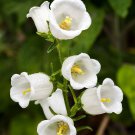
Branching plants with creamy light yellow flowers.
Flowers are a luminous, light creamy yellow with attractive dark center eyes. Blooms are produced in abundance on branching plants. Ideal for borders and cut flowers.
How to Sow and Plant
Sunflowers are grown from seed sown directly in the garden after frost.
Direct sow seeds in average soil in full sun after all danger of frost.
When choosing a site consider that sunflowers need a well-drained soil. They face the sun, so make sure they are in an open area of the garden. The taller varieties will cast shadows on other plants, so plant these at the north end of your garden.
Prepare the soil by removing weeds and working organic matter into the top 6-8 inches of soil; then level and smooth.
Most plants respond well to soils amended with organic matter. Compost is a wonderful form of organic matter with a good balance of nutrients and an ideal pH level, it can be added to your planting area at any time. If compost is not available, top dress the soil after planting with 1-2 inches of organic mulch, which will begin to breakdown into compost. After the growing season, a soil test will indicate what soil amendments are needed for the following season.
Sow seeds ½ inch deep in groups of 2 or 3 seeds. Space the groups 18-24 inches apart, depending on the variety.
Firm soil lightly, water and keep evenly moist.
Seedlings will emerge in 7-10 days.
Thin to one plant per group when seedlings have two sets of leaves.
Flowers are a luminous, light creamy yellow with attractive dark center eyes. Blooms are produced in abundance on branching plants. Ideal for borders and cut flowers.
How to Sow and Plant
Sunflowers are grown from seed sown directly in the garden after frost.
Direct sow seeds in average soil in full sun after all danger of frost.
When choosing a site consider that sunflowers need a well-drained soil. They face the sun, so make sure they are in an open area of the garden. The taller varieties will cast shadows on other plants, so plant these at the north end of your garden.
Prepare the soil by removing weeds and working organic matter into the top 6-8 inches of soil; then level and smooth.
Most plants respond well to soils amended with organic matter. Compost is a wonderful form of organic matter with a good balance of nutrients and an ideal pH level, it can be added to your planting area at any time. If compost is not available, top dress the soil after planting with 1-2 inches of organic mulch, which will begin to breakdown into compost. After the growing season, a soil test will indicate what soil amendments are needed for the following season.
Sow seeds ½ inch deep in groups of 2 or 3 seeds. Space the groups 18-24 inches apart, depending on the variety.
Firm soil lightly, water and keep evenly moist.
Seedlings will emerge in 7-10 days.
Thin to one plant per group when seedlings have two sets of leaves.
You may also be interested in:
-
£6.75

-
£3.84

-
£6.39

-
£7.03
-
£6.08

-
£6.33

-
£6.22

-
£17.94

-
£22.44

-
£6.07



 ID, Bali
