
£4.07
Add to Cart
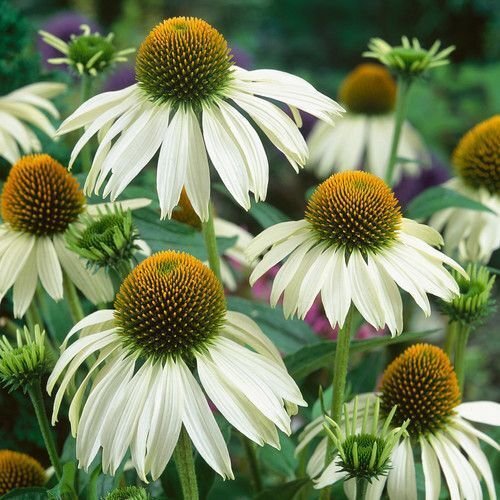
White Swan Coneflower 25 seeds per pack
"Creating compost is an excellent way to recycle organic waste and enrich your garden soil, making it a fertile environment for growing seeds and plants. Here's a step-by-step guide on how to make compost for seeds:
Materials You'll Need:
Compost Bin or Pile: You can use a dedicated compost bin, a designated area in your yard, or even a pile.
Brown Materials: These are carbon-rich materials that provide structure and aeration to the compost pile. Examples include dried leaves, straw, cardboard, and shredded newspaper.
Green Materials: These are nitrogen-rich materials that provide essential nutrients and help activate the composting process. Examples include kitchen scraps (vegetable and fruit peels, coffee grounds, eggshells), fresh yard waste (lawn clippings, plant trimmings), and manure (only from herbivores like cows, horses, or rabbits).
Water: Proper moisture is crucial for composting. You want the pile to be as damp as a wrung-out sponge.
Aeration Tools: A pitchfork or compost aerator can help you turn the pile regularly to introduce oxygen.
"
Materials You'll Need:
Compost Bin or Pile: You can use a dedicated compost bin, a designated area in your yard, or even a pile.
Brown Materials: These are carbon-rich materials that provide structure and aeration to the compost pile. Examples include dried leaves, straw, cardboard, and shredded newspaper.
Green Materials: These are nitrogen-rich materials that provide essential nutrients and help activate the composting process. Examples include kitchen scraps (vegetable and fruit peels, coffee grounds, eggshells), fresh yard waste (lawn clippings, plant trimmings), and manure (only from herbivores like cows, horses, or rabbits).
Water: Proper moisture is crucial for composting. You want the pile to be as damp as a wrung-out sponge.
Aeration Tools: A pitchfork or compost aerator can help you turn the pile regularly to introduce oxygen.
"


 ID, Central Borneo
