
£27.01
On Hold
Tri Color Dwarf Oyster Tradescantia spathacea Flower Houseplant Garden Home Garden #MPS
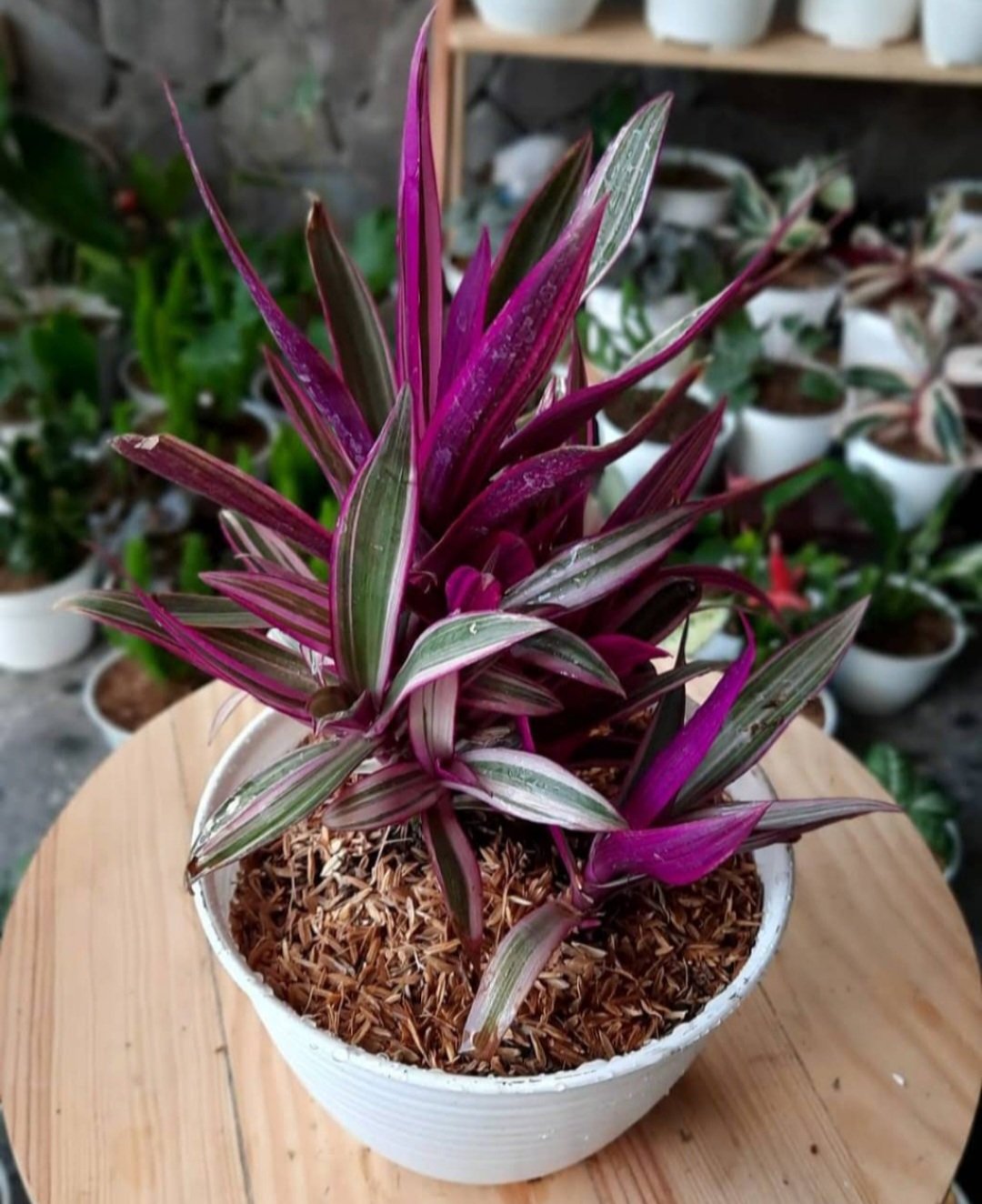
Tri Color Dwarf Oyster Tradescantia spathacea Flower Houseplant Garden Home Garden #MPS
Tradescantia spathacea, commonly known as Moses in the Cradle or Oyster Plant, is a popular houseplant appreciated for its attractive foliage and ease of care. Here are some general guidelines on how to care for Tradescantia spathacea:
Light: Tradescantia spathacea prefers bright, indirect light. However, it can tolerate lower light conditions as well. Avoid exposing it to direct sunlight, as it may scorch the leaves.
Watering: Keep the soil consistently moist during the growing season (spring and summer), but allow the top inch or so of the soil to dry out between waterings. Reduce watering frequency in the winter months, but don't let the soil completely dry out. Overwatering can lead to root rot, so ensure proper drainage in the pot.
Humidity: Tradescantia spathacea appreciates moderate to high humidity levels. You can increase humidity by misting the leaves with water, placing a humidity tray filled with water and pebbles beneath the pot, or using a room humidifier.
Temperature: This plant prefers temperatures between 65°F to 75°F (18°C to 24°C). It can tolerate slightly cooler temperatures but should be protected from frost and cold drafts.
Soil: Use a well-draining, peat-based potting mix for your Tradescantia spathacea. A mix formulated for indoor tropical plants works well.
Fertilizing: Feed your Tradescantia spathacea with a balanced, water-soluble fertilizer diluted to half strength every 2-4 weeks during the growing season. Reduce or eliminate fertilization during the winter months when growth slows down.
Pruning: Regularly remove any dead or yellowing leaves to maintain the plant's appearance and overall health. You can also trim leggy stems to encourage bushier growth.
Repotting: Repot your Tradescantia spathacea when it becomes root-bound, typically every 1-2 years. Choose a pot that is slightly larger than the current one and refresh the potting mix.
Pests: Keep an eye out for common houseplant pests such as spider mites, aphids, and mealybugs. If you notice any signs of infestation, isolate the plant and treat it with an appropriate insecticidal soap or neem oil solution.
Propagation: Tradescantia spathacea is easy to propagate through stem cuttings. Simply cut a healthy stem with a few leaves attached and place it in water or directly in moist potting soil. Roots should develop within a few weeks.
By following these care tips, you can keep your Tradescantia spathacea healthy and thriving indoors.
Tradescantia spathacea, commonly known as Moses in the Cradle or Oyster Plant, is a popular houseplant appreciated for its attractive foliage and ease of care. Here are some general guidelines on how to care for Tradescantia spathacea:
Light: Tradescantia spathacea prefers bright, indirect light. However, it can tolerate lower light conditions as well. Avoid exposing it to direct sunlight, as it may scorch the leaves.
Watering: Keep the soil consistently moist during the growing season (spring and summer), but allow the top inch or so of the soil to dry out between waterings. Reduce watering frequency in the winter months, but don't let the soil completely dry out. Overwatering can lead to root rot, so ensure proper drainage in the pot.
Humidity: Tradescantia spathacea appreciates moderate to high humidity levels. You can increase humidity by misting the leaves with water, placing a humidity tray filled with water and pebbles beneath the pot, or using a room humidifier.
Temperature: This plant prefers temperatures between 65°F to 75°F (18°C to 24°C). It can tolerate slightly cooler temperatures but should be protected from frost and cold drafts.
Soil: Use a well-draining, peat-based potting mix for your Tradescantia spathacea. A mix formulated for indoor tropical plants works well.
Fertilizing: Feed your Tradescantia spathacea with a balanced, water-soluble fertilizer diluted to half strength every 2-4 weeks during the growing season. Reduce or eliminate fertilization during the winter months when growth slows down.
Pruning: Regularly remove any dead or yellowing leaves to maintain the plant's appearance and overall health. You can also trim leggy stems to encourage bushier growth.
Repotting: Repot your Tradescantia spathacea when it becomes root-bound, typically every 1-2 years. Choose a pot that is slightly larger than the current one and refresh the potting mix.
Pests: Keep an eye out for common houseplant pests such as spider mites, aphids, and mealybugs. If you notice any signs of infestation, isolate the plant and treat it with an appropriate insecticidal soap or neem oil solution.
Propagation: Tradescantia spathacea is easy to propagate through stem cuttings. Simply cut a healthy stem with a few leaves attached and place it in water or directly in moist potting soil. Roots should develop within a few weeks.
By following these care tips, you can keep your Tradescantia spathacea healthy and thriving indoors.
You may also be interested in:
-
£6.82

-
£3.21
-
£3.74

-
£6.07

-
£3.06

-
£3.81

-
£6.70

-
£6.46
-
£2.45

-
£7.17



 ID, Jawa Timur
